.png)
.svg)
Sourcing authentic Japanese Wagyu beef in Dubai menus often involves sorting through layers of grand marketing that rarely match the actual plate. For many diners, the routine of visiting a high-end steak house becomes a predictable cycle of high prices and middling results. It is easy to feel fatigued when the promised marble score feels more like a suggestion than a verified standard.
The transition to something genuine happens the moment the meat meets the charcoal, releasing a heavy, sweet aroma that fills the immediate air. There is a distinct sound, a low, constant sizzle, as the intricate fat melts and drips onto the glowing embers below. The warmth of the grill creates a specific atmosphere where the scent of wood smoke and the cut's softening texture become the only focus.
This level of quality begins long before the grill, shaped by careful sourcing, a strict cold chain, and patience with the heat. When timed right, salt, char, and melting fat align in a single, effortless moment.
At a Glance:
- Not all Wagyu served in Dubai is created equal; misleading labels, unclear grading, and inconsistent sourcing often result in premium pricing without a premium experience.
- True Japanese Wagyu is identified by specific cuts such as ribeye (rosu), tenderloin (hire), sirloin, and harami, each of which behaves differently on the grill due to varying marbling and fat density.
- High-heat searing, minimal seasoning, and controlled resting allow Wagyu’s natural umami and buttery texture to emerge without being masked or overworked.
- Wagyu is best served in smaller portions at precise internal temperatures (typically 46–54°C), paired with acidic or herbal sides, with average spends rising based on grade and preparation style.
- With chef-led execution, clearly defined Wagyu preparations, and experiences ranging from express service to full theatrical dining, DOORS Dubai offers Wagyu in formats that respect both time and indulgence.
Getting to the Meat of Wagyu
The art of the grill remains the defining standard for Japanese Wagyu beef, as Dubai Chefs, such as internationally acclaimed Chef Kemal Çeylan at DOORS Dubai, present it to the city’s most discerning diners.
Success depends on a quiet understanding of the fire and the specific characteristics of each cut, ensuring the intense marbling renders perfectly over the charcoal without losing its structural integrity.
Also Read: Guide to Cooking Wagyu Flank Steak Sous Vide
Fire Done the Wagyu Way

While the heat of the fire is constant, the success of Japanese Wagyu beef lies in how chefs manage the delicate fat of each specific cut. At premium steakhouses like DOORS Dubai, the process is stripped back to a few core principles: intense heat for a fast crust, a precise internal temperature of 46–54°C, and a necessary rest to settle the juices.
Whether through a quick sear or a slower, smoke-heavy char, the goal is always to render the marbling without losing the buttery sweetness that defines the A5 grade.
- The High-Heat Sear: A cast-iron surface at 230°C creates a dark, salted crust on ribeye and tenderloin in under two minutes.
- Yakiniku Grilling: Thin slices of harami or chuck roll are cooked over tabletop charcoal, allowing the fat to baste the meat as it renders.
- The DOORS Method: The "Beef Butterfall" uses a high-marbling ribeye, grilled to a specific timing that ensures the fat is fully liquid while the centre remains rare.
- The Finish: Minimal seasoning, usually just sea salt or a touch of wasabi, ensures the natural umami is the primary focus.
Also Read: The Art of Frying Wagyu in Dubai
Plates Where Wagyu Truly Shines
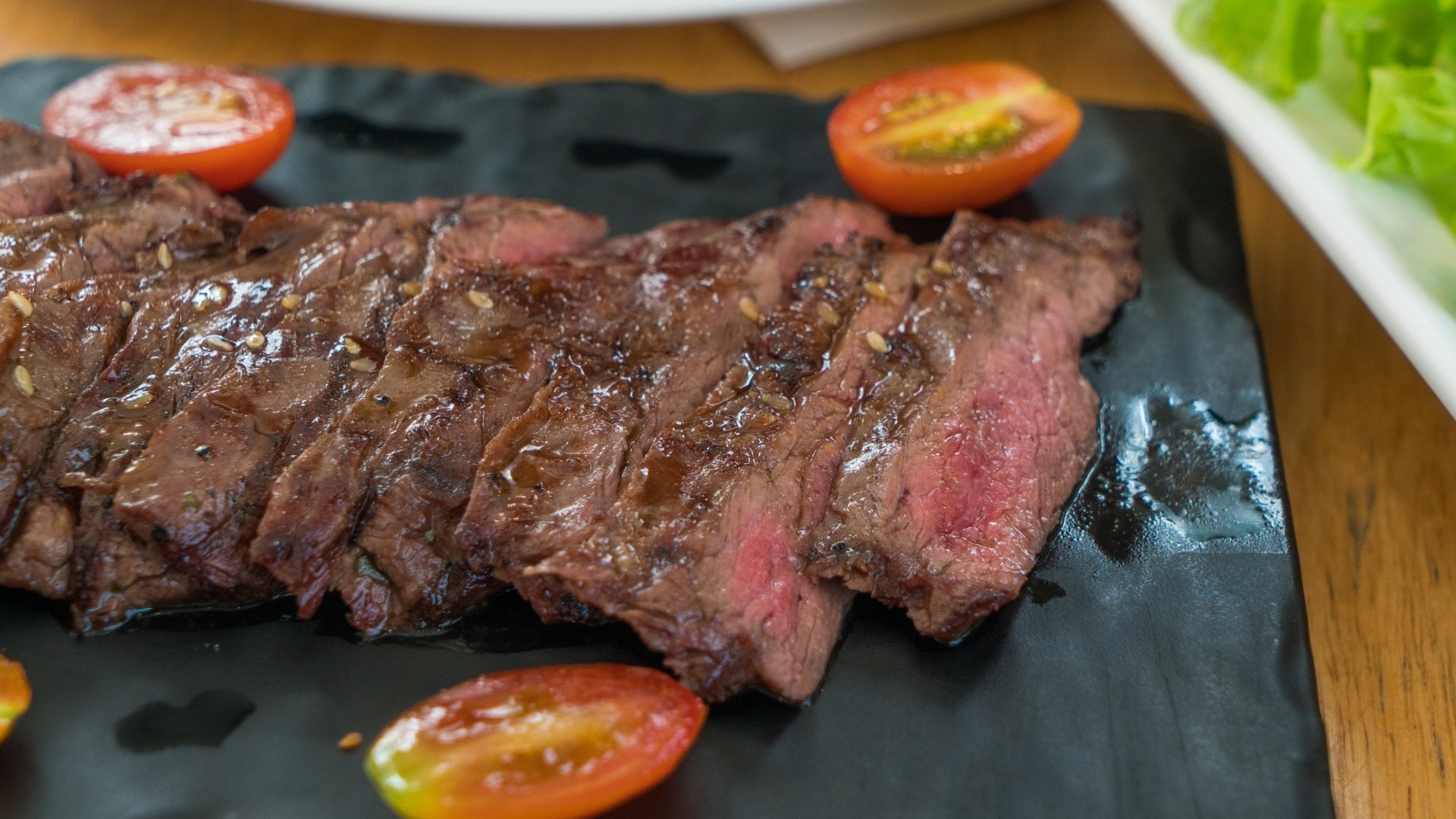
While many menus offer a vast array of choices, selecting the right plate of Japanese Wagyu beef that Dubai establishments serve requires identifying where the quality of the cattle meets the skill of the fire.
At DOORS Dubai, the focus remains on highlighting the beef's intense marbling through preparations that allow the meat's natural fats to baste it as it cooks. Choosing these specific dishes ensures that the Wagyu's high grading is never overshadowed, providing a meal defined by its rich texture and depth of flavour:
- Beef Butterfall Steak: This 180g cut features a 9+ Wagyu grade and is designed for those who appreciate the melt-in-the-mouth texture of high intramuscular fat.
- DOORS Medallion: Prepared with Wagyu tenderloin, this selection offers a leaner yet exceptionally tender experience for a more delicate palate.
- DOORS Kofte: For a different texture, this dish blends Wagyu meat with short rib, tomato sauce, and egg to create a savoury, complex plate.
- DOORS Steak Burger: A luxurious take on a classic, utilising tenderloin meat paired with truffle mayonnaise and cheese to elevate the familiar burger into a high-end experience.
For those who prefer indulgence without the wait, the Express Wagyu delivers a sharper tempo; AED 99 per person, served within eight minutes or it’s free, featuring the DOORS Wagyu burger, a small portion of fries, and the Grape Symphony, with a surprise dessert from the kitchen, available 12 p.m. to 6 p.m.
Keeping Wagyu in Good Company
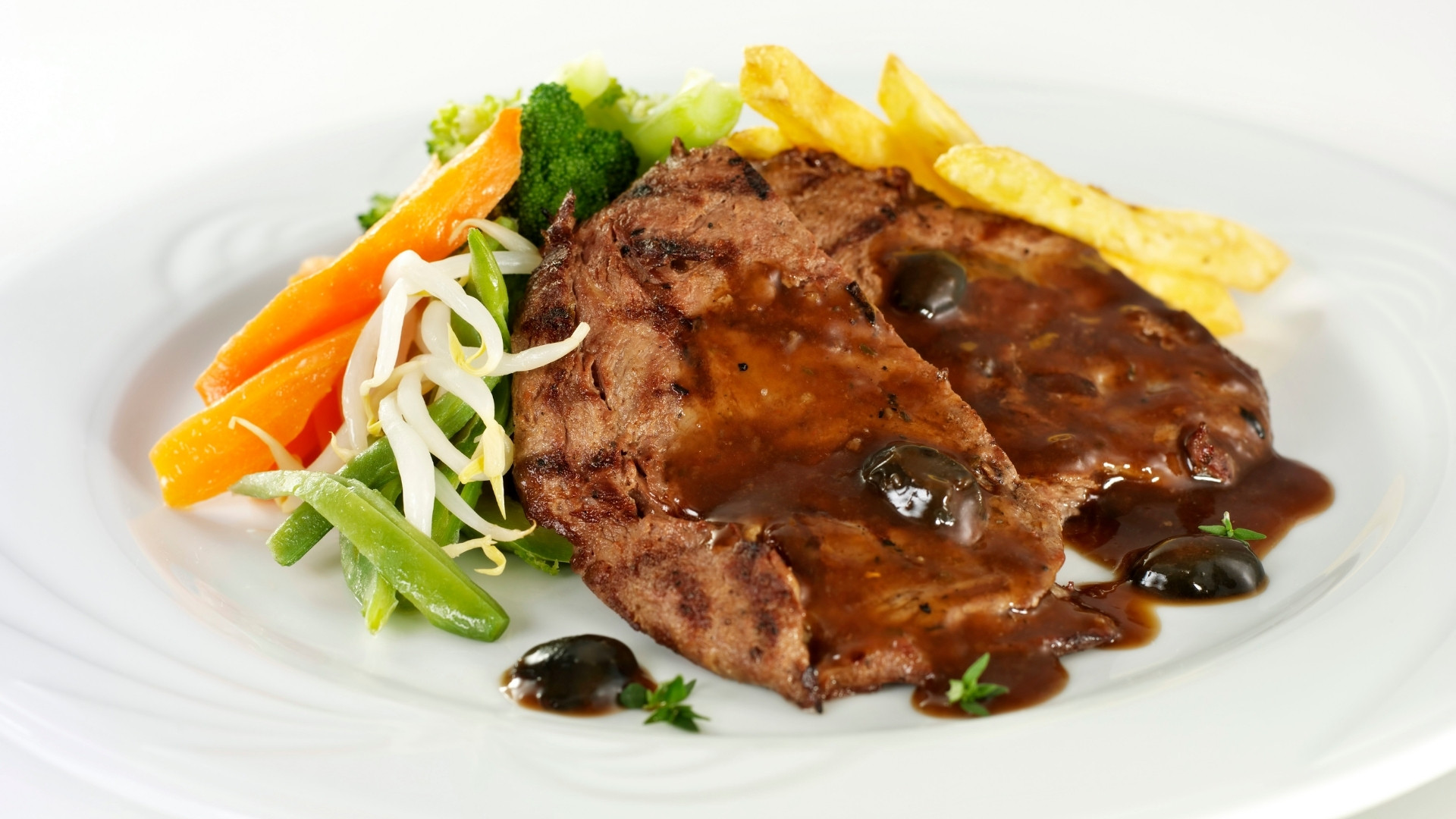
Selecting the ideal accompaniment for Japanese Wagyu patrons to enjoy at DOORS depends on balancing the meat's intense richness with refreshing, sharp, or botanical notes. After all, the A5 grading signifies a high concentration of fats, the beverage pairing must provide a clean counterpoint to prevent the palate from becoming overwhelmed.
A thoughtful counterpoint is essential when Wagyu is this rich, allowing brighter notes to quietly balance its depth:
- Sol D’Amour: This luxurious blend of pineapple and passionfruit offers a tropical acidity that cleanses the palate after a rich bite of the Beef Butterfall steak.
- Green Flutter: The combination of crisp green apple and fragrant basil provides a sharp, herbaceous note that balances the savoury depth of the DOORS Kofte.
- Midnight Mist: Featuring activated charcoal and a blend of pomegranate and citrus, this drink provides a tangy complexity that stands up well to the charred exterior of a grilled medallion.
- Pomegranate Salad: As a side, the inclusion of fresh pomegranate and a yoghurt-based sauce offers a cooling, tart contrast to the warmth and salt of the Wagyu cuts.
- Yuzu Serenade: The sour-to-sweet profile of yuzu and raspberry serves as an effective brightener, ensuring each mouthful of beef feels as distinct as the first.
Moments like these are rarely spontaneous. When Wagyu is on the menu, the best tables are usually spoken for, and reserving ahead is part of doing the experience justice.
For diners who value theatre over tempo, the Presidential Table offers a 17-course, fully choreographed experience with a personal butler, golden tableware, and tableside presentations that turn the meal into a performance.
FAQs
1. How can you tell if Japanese Wagyu beef in Dubai is authentic?
Authentic Japanese Wagyu is identified by clear origin labelling, grading details (such as A4 or A5), and limited portion sizes due to its richness. Reputable restaurants also maintain strict cold-chain sourcing and transparency around the cut and grade.
2. What is the best cut of Japanese Wagyu to order for first-time diners?
Ribeye (Rosu) is often recommended for first-time Wagyu diners due to its balanced marbling and pronounced flavour, offering the signature melt-in-the-mouth experience without overwhelming the palate.
3. Why is Japanese Wagyu beef so expensive in Dubai?
The price reflects controlled Japanese farming practices, export restrictions, grading standards, and the logistics of maintaining a cold chain. In Dubai, preparation skills and premium dining settings further contribute to the cost.
4. How should Japanese Wagyu beef be cooked to preserve its quality?
Wagyu is best cooked quickly over high heat to render the fat without overcooking the meat. Minimal seasoning and precise temperature control are essential to maintain its buttery texture and natural umami.
5. Is Japanese Wagyu beef meant to be eaten in large portions?
No. Due to its high fat content, Japanese Wagyu is typically served in smaller portions. A modest cut is designed to be savoured slowly, often alongside lighter sides or acidic pairings to balance richness.