.png)
.svg)
Wagyu beef traces its origins to Japan, where cattle introduced during the Yayoi period were initially used as draft animals rather than for consumption. Its evolution into a culinary delicacy accelerated after 1868, when Western influence encouraged beef eating and selective crossbreeding. By 1910, Japan closed Wagyu genetics, safeguarding the breed’s distinctive marbling and quality.
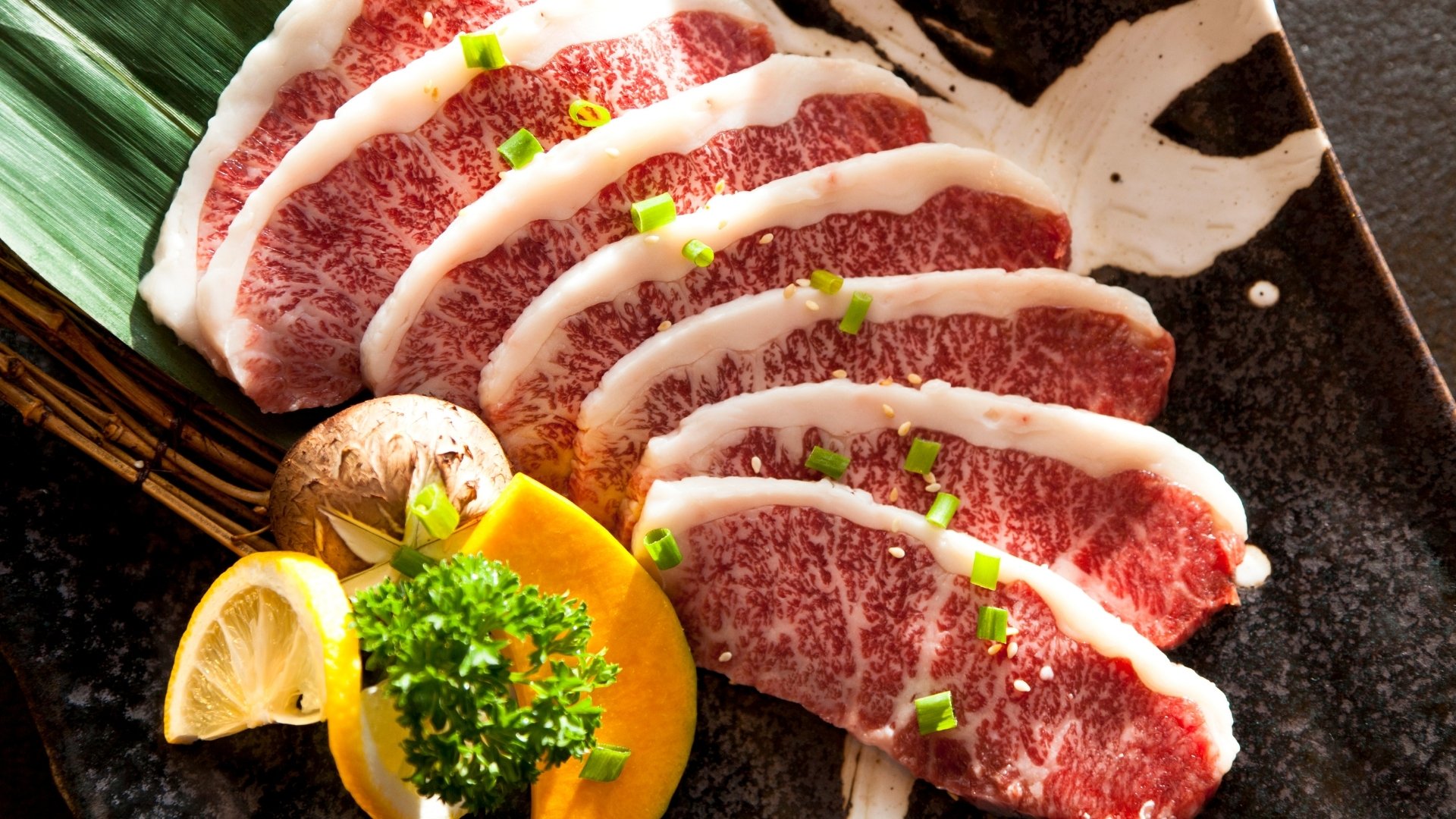
Over time, Wagyu came to represent refinement rather than excess. Meticulous breeding, stress-controlled rearing, and strict grading systems produced beef with exceptional intramuscular fat that melts at body temperature. Naturally higher in Omega-3 and Omega-6 fats, Wagyu delivers richness with balance, setting it apart from conventional beef and shaping global standards for premium meat.
Dubai became part of Wagyu’s modern journey in the late 2000s, as authentic Japanese Wagyu began entering the city through specialist importers offering halal-certified cuts. By the late 2010s, Wagyu had become embedded in Dubai’s fine-dining scene, reflecting the city’s ability to adopt culinary traditions and elevate them within a global context.
At a Glance:
- Wagyu beef originates in Japan and is defined by closed genetics, meticulous breeding, and exceptional marbling, which delivers a melt-in-the-mouth texture distinct from conventional beef.
- Dubai embraced authentic Wagyu in the late 2000s through specialist, halal-certified imports, allowing Japanese and Australian Wagyu to become staples of the city’s fine-dining scene.
- Not all Wagyu tastes or behaves the same, with Japanese Black offering intense richness, Brown and Shorthorn favouring balance and savour, and Polled delivering a cleaner, beef-forward profile.
- Cooking Wagyu requires restraint and precision, from room-temperature preparation and minimal seasoning to rare or medium-rare finishes that allow intramuscular fat to melt properly.
- DOORS Dubai exemplifies how Wagyu is best experienced in the city, combining expert grilling, thoughtful pairings, curated menus, and theatrical service to turn premium beef into a deliberate dining occasion.
A Matter of Marbling and Mood
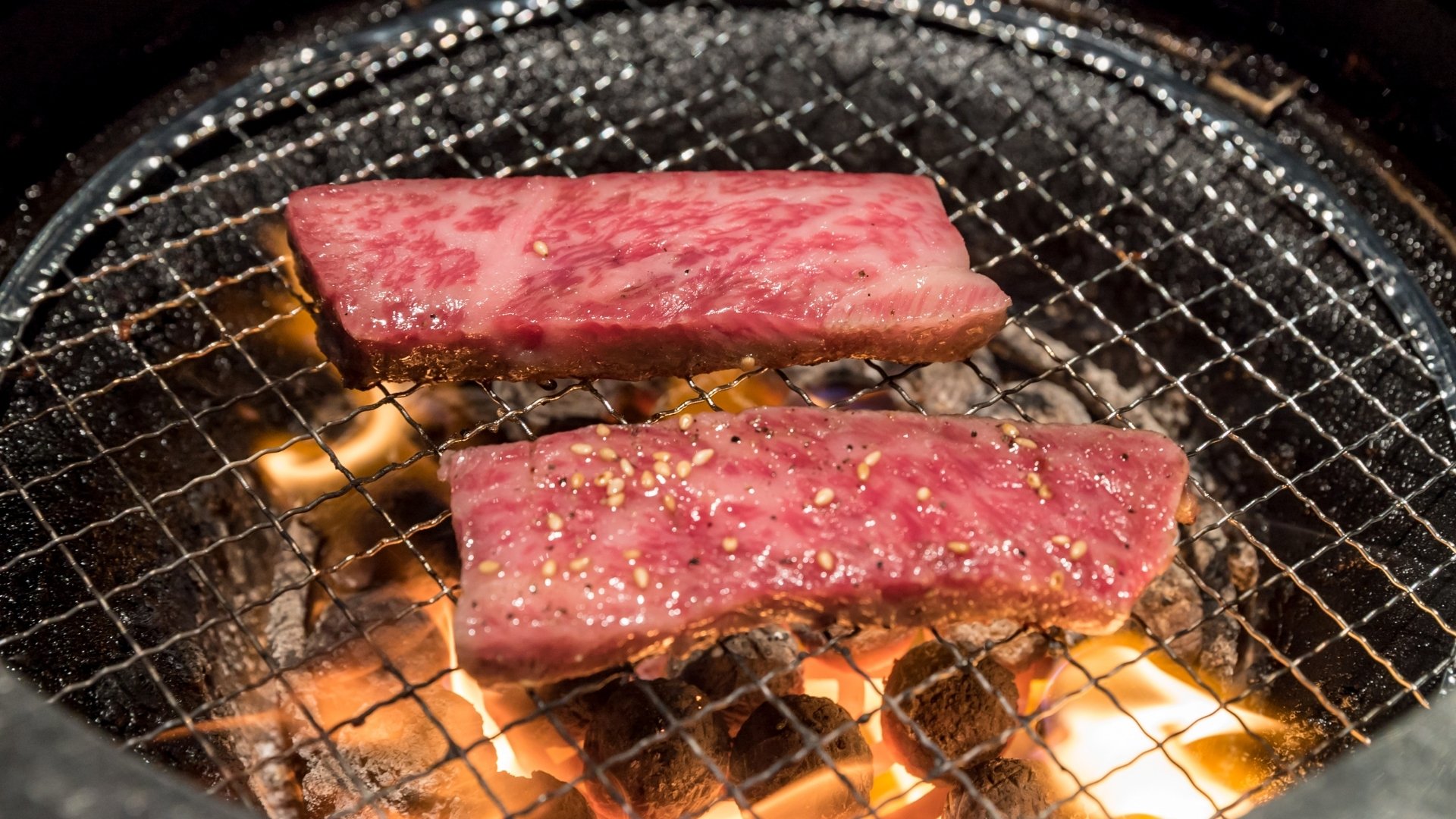
With Wagyu, taste is never accidental. The experience is shaped as much by genetics as by expectation; how rich you want it, how much texture you enjoy, and whether you’re seeking indulgence or clarity.
Understanding Wagyu types isn’t about memorising breeds; it’s about choosing the mood you want on the plate, from deeply buttery to clean and beef-forward.
1. Japanese Black (Kuroge Washu)
The most recognised and widely served Wagyu breed, Japanese Black, is defined by intense marbling and softness. Its fat melts at low temperatures, creating a luxurious, almost creamy mouthfeel with pronounced umami and gentle sweetness. This is the Wagyu most people picture: decadent, expressive, and unmistakably rich.
2. Japanese Brown or Red (Akage Washu)
Leaner and more restrained, Japanese Brown offers a clearer expression of beef. The marbling is finer, the texture firmer, and the flavour more robust, with a clean finish that doesn’t linger heavily. It suits diners who appreciate Wagyu’s quality but prefer balance over excess.
3. Japanese Shorthorn (Nihon Tankaku)
Rare and region-specific, Japanese Shorthorn sits comfortably between richness and structure. The meat is redder with moderate marbling, delivering deep savoury notes and a satisfying bite. It performs beautifully on the grill, where its nutty, umami character comes forward without overwhelming the palate.
4. Japanese Polled (Mukaku Washu)
The least common of the four, Japanese Polled, is understated by Wagyu standards. Lower marbling allows the natural beef flavour to take centre stage, offering tenderness without heaviness. It’s a versatile choice, valued more for clarity and adaptability than indulgence.
Also Read: Curated Cuts of Wagyu Marbled to Perfection
The Quiet Art of Cooking Wagyu
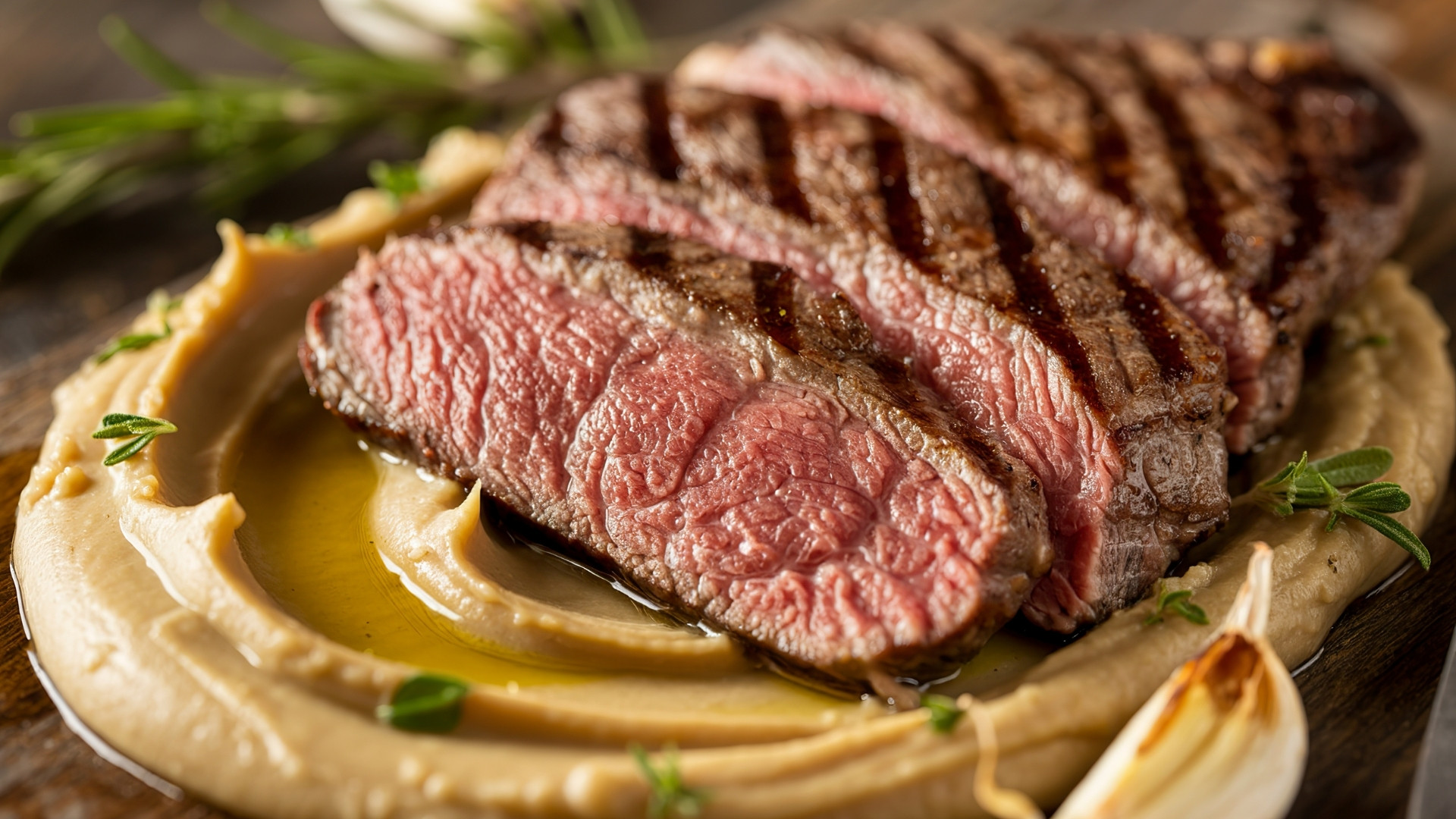
Preparing Wagyu is less about technique and more about restraint. It's rich marbling needs gentle handling, allowing the fat to melt into the meat without compromising structure. When balanced with the right heat and patience, Wagyu delivers a depth and tenderness that ordinary cuts simply cannot match.
To achieve that hallmark silkiness, consider these essential principles for the perfect sear:
- The Room-Temperature Equilibrium: Perfection starts before the heat is even applied. The beef is allowed to sit for 30 to 60 minutes to reach room temperature. This ensures that when it hits the grill, the heat travels instantly to the core, melting the internal fats and preventing a "cold-centre" disaster.
- Minimalist Seasoning: Great Wagyu is never masked by heavy marinades or complex rubs. A simple, high-quality sea salt is the gold standard, used only to pull out the natural, nutty sweetness of the fat.
- Self-Basting Properties: Because of its incredible fat content, the steak is its own cooking medium. It is seared in a screaming-hot cast-iron skillet (often 230°C or higher) or over a focused flame, using only a tiny amount of its own rendered tallow to jumpstart the process.
- The Rare to Medium-Rare Sweet Spot: To achieve the "melt-in-the-mouth" sensation, the beef is pulled from the heat at 46°C to 54°C. Any further, and the delicate fats vanish; any less, and they haven't fully liquefied.
- The Essential Rest: Once removed from the fire, the meat must rest for 5 to 10 minutes. This allows the internal juices to redistribute, ensuring the first cut reveals a succulent, uniform pink rather than a pool of lost flavour on the board.
Also Read: The Art of Frying Wagyu in Dubai
Pressed for time? DOORS Dubai’s Express Wagyu puts the clock on indulgence. For AED 99 per person, enjoy the DOORS Wagyu burger, signature fries, and Grape Symphony; served in 8 minutes or it’s free, with a surprise dessert from the kitchen. Available 12 p.m. to 6 p.m.
Once the flames have been mastered and the beef has reached its buttery peak, the focus shifts from the grill's intensity to selecting pairings.
Pairings That Let Wagyu Lead
The goal of a Wagyu pairing is to cleanse the palate between bites of intense marbling:
- Acidic Contrasts: A simple garnish of freshly grated wasabi or a dash of yuzu kosho provides a bright, pungent heat that cuts through the richness of the fat far better than heavy peppercorn sauces.
- Earthy Greens: Charred tenderstem broccoli or sautéed wild mushrooms offer a grounded, savoury depth that complements the beef's nutty notes without competing for attention.
When Wagyu deserves more than a supporting act, DOORS Dubai answers with the Presidential Table: a 17-course, theatrically served experience with golden tableware and a personal butler and runner, created for diners who want every detail handled, not left to chance.
Also Read: What Is Premium Meat? A Closer Look at Cut, Classification, and Technique
Where Dubai Serves Wagyu Right
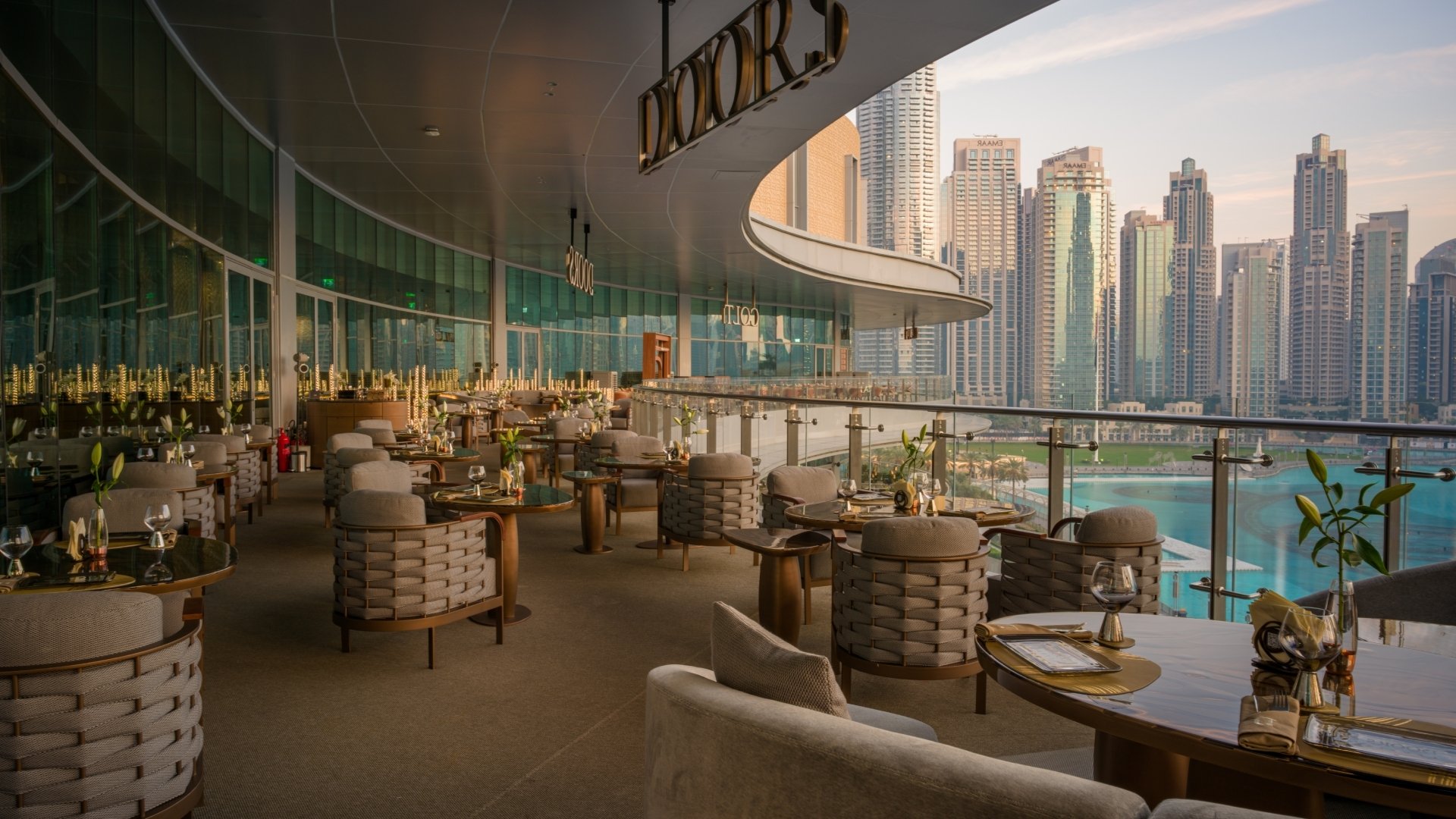
Orchestrated by internationally acclaimed Chef Kemal Çeylan, DOORS Dubai has reimagined the traditional steakhouse as a high-art "freestyle grill" where Wagyu beef is the undisputed star of the show. By pairing refined culinary philosophy with precise technique, the restaurant transforms each cut into a molten, buttery experience rather than just a meal.
The menu offers a curated selection of these elite meats, each prepared to highlight the unique textures of top-tier Wagyu:
- Beef Butterfall Steak: This signature experience features a 180g serving of 9+ Wagyu grade beef, a rating that guarantees an extraordinary level of intramuscular fat for a true melt-in-the-mouth sensation.
- Doors Medallion: A more refined choice for the connoisseur, this dish focuses on the delicate, silk-like tenderness of premium Wagyu tenderloin meat.
- Doors Kofte: This selection smartly elevates a traditional favourite by blending rich Wagyu meat with succulent short rib, ensuring a depth of flavour that standard beef simply cannot match.
A table is set for those ready to experience the city’s most refined theatre of fire and flavour.
FAQs
1. What makes Wagyu beef different from regular beef?
Wagyu is distinguished by its high intramuscular fat, which creates fine marbling that melts at low temperatures, delivering a softer texture and richer, more balanced flavour than conventional beef.
2. Is all Wagyu beef in Dubai Japanese Wagyu?
No, Dubai serves both authentic Japanese Wagyu and high-quality Australian Wagyu; true Japanese Wagyu is imported in limited quantities, fully traceable, and typically priced at a premium.
3. What is the best way to cook Wagyu beef?
Wagyu is best cooked with minimal seasoning and high heat for a short time, aiming for rare to medium-rare to allow the fat to melt without losing structure or flavour.
4. Why is Wagyu beef so expensive in Dubai?
The cost reflects controlled breeding, limited supply, strict grading, import logistics, and the skill required to cook it properly, especially for certified Japanese Wagyu.
5. Where can you find the best Wagyu beef experience in Dubai?
Dubai’s top Wagyu experiences are found in chef-led fine-dining restaurants like DOORS Dubai, where sourcing, technique, and presentation are treated with equal importance.