.png)
.svg)
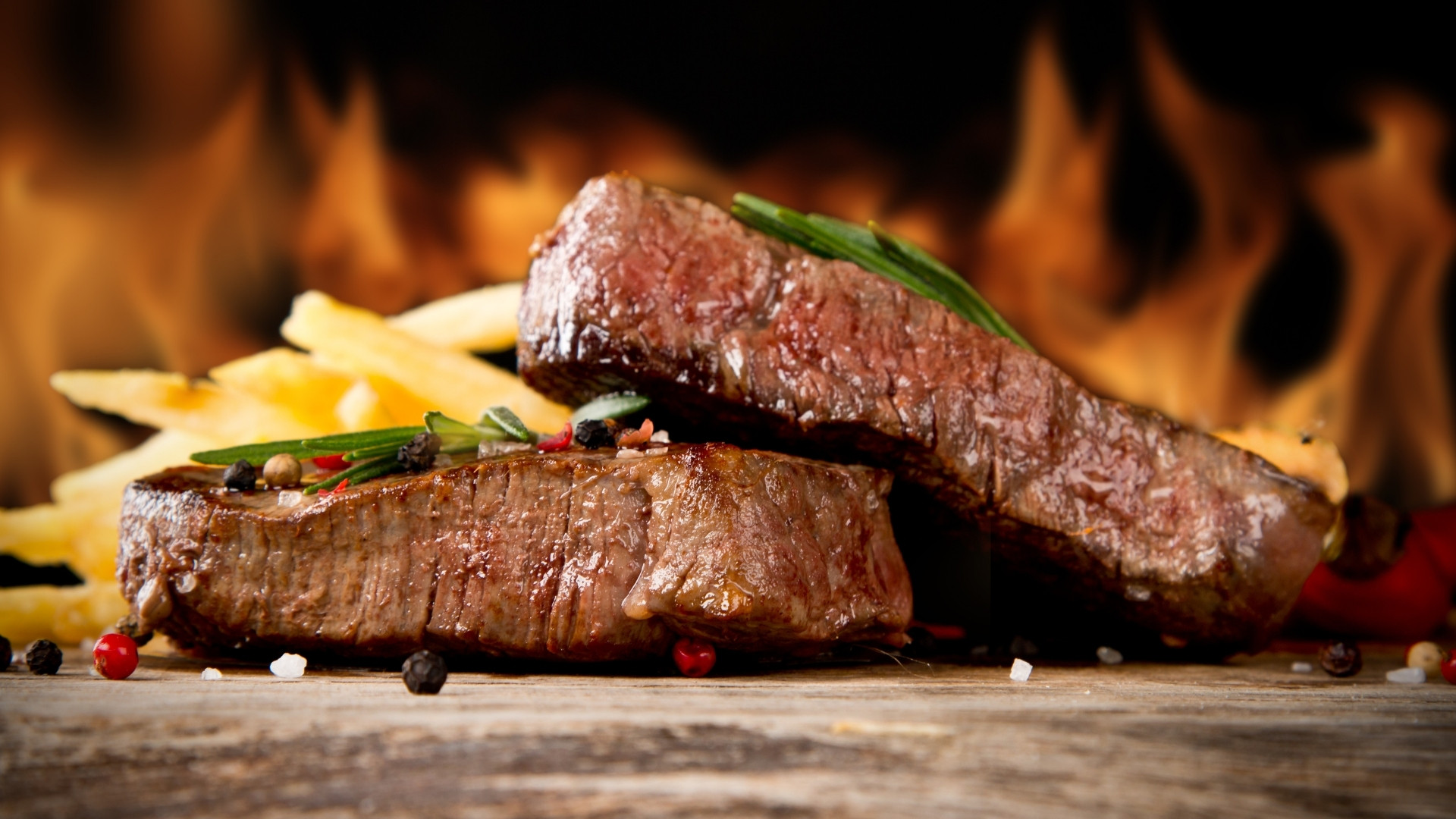
For the discerning diner, a perfectly cooked steak is more than a meal; it is an experience. Yet many remain uncertain when ordering, unsure how to specify their preferred doneness. This often leads to disappointment, with steaks arriving either overcooked or underwhelming. The key lies in understanding the steak grilling chart, a guide to internal temperatures that ensures each cut is cooked precisely, highlighting flavour, texture, and succulence.
In Dubai’s finest steakhouses, chefs follow this chart meticulously, adjusting cooking times to the cut, thickness, and marbling of each steak. From the tender fillet mignon to the richly marbled ribeye, the method guarantees consistency and excellence. Its origins lie in culinary traditions that prize precision, where mastery of temperature is as crucial as seasoning or searing.
For diners seeking to order with confidence, understanding the steak grilling chart is indispensable. It allows you to make informed choices, pairing the right cut with your preferred doneness. With this knowledge, every bite becomes a carefully considered pleasure, a testament to technique, flavour, and indulgence.
At a Glance:
- Ordering steak can be uncertain, as diners often struggle to request the desired doneness. The steak grilling chart provides the answer, mapping each level to exact temperatures and timing.
- Steak doneness ranges from rare (49–52°C, 120–125°F, 2 to 3 minutes per side) to well done (71°C+, 160°F+, 6+ minutes per side), with each level offering a distinct texture and colour from cool red to fully caramelised.
- Cuts respond differently; fillet is at its best rare, ribeye reveals its richness at medium rare, and sirloin finds balance at medium. Sauces, sides, and seasonings heighten the experience, bringing out marbling and tenderness.
- Delivering this level of precision requires the right team, and at DOORS Dubai, Chef Kemal Çeylan orchestrates prime cuts and thoughtful accompaniments in a setting where technique meets atmosphere.
Mastering the Heat
Without the steak grilling chart, a bite can disappoint: undercooked meat may feel cold at its core, with flavours muted and textures uneven; overcooked, it can taste dry, losing the silky, juicy richness that makes prime cuts indulgent.
When the chart is followed, each mouthful is precise; the exterior caramelises just enough for a slight crunch, the centre remains tender and warm, and the fat and marbling release their nuanced flavours naturally.
The Steak Grilling Chart
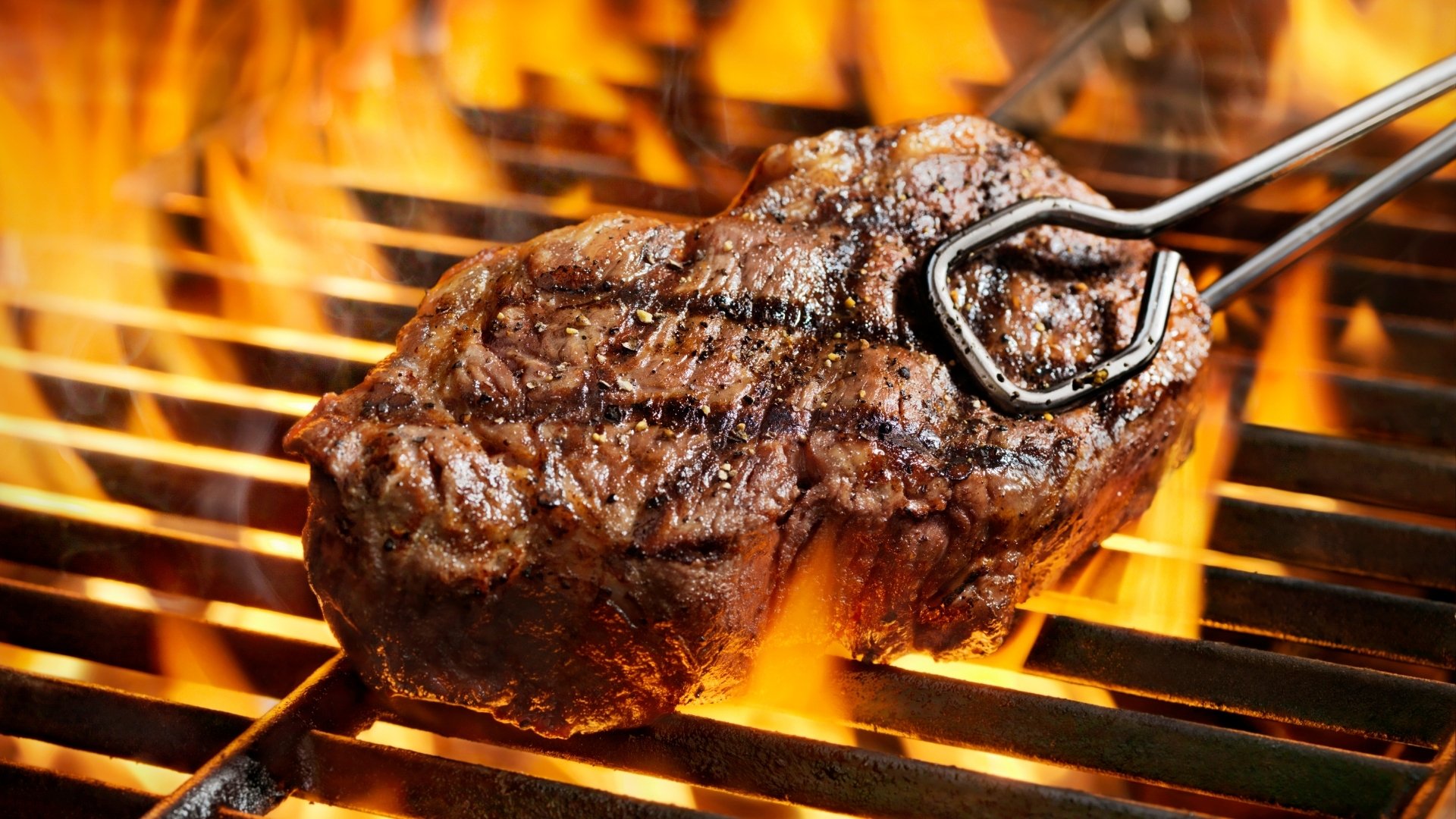
Top steakhouses like DOORS Dubai approach each cut with the same care they would a work of art, where thickness, marbling, and timing are considered before a single sear. The steak grilling chart then becomes the guide that translates these decisions into a perfectly cooked plate.
With these temperatures and timings as a guide, each cut reaches its ideal expression, ready to be paired and savoured at its finest.
Also Read: Why a Reservation at DOORS Dubai Guarantees a Perfectly Executed Steak Experience
Where Doneness Meets Distinction
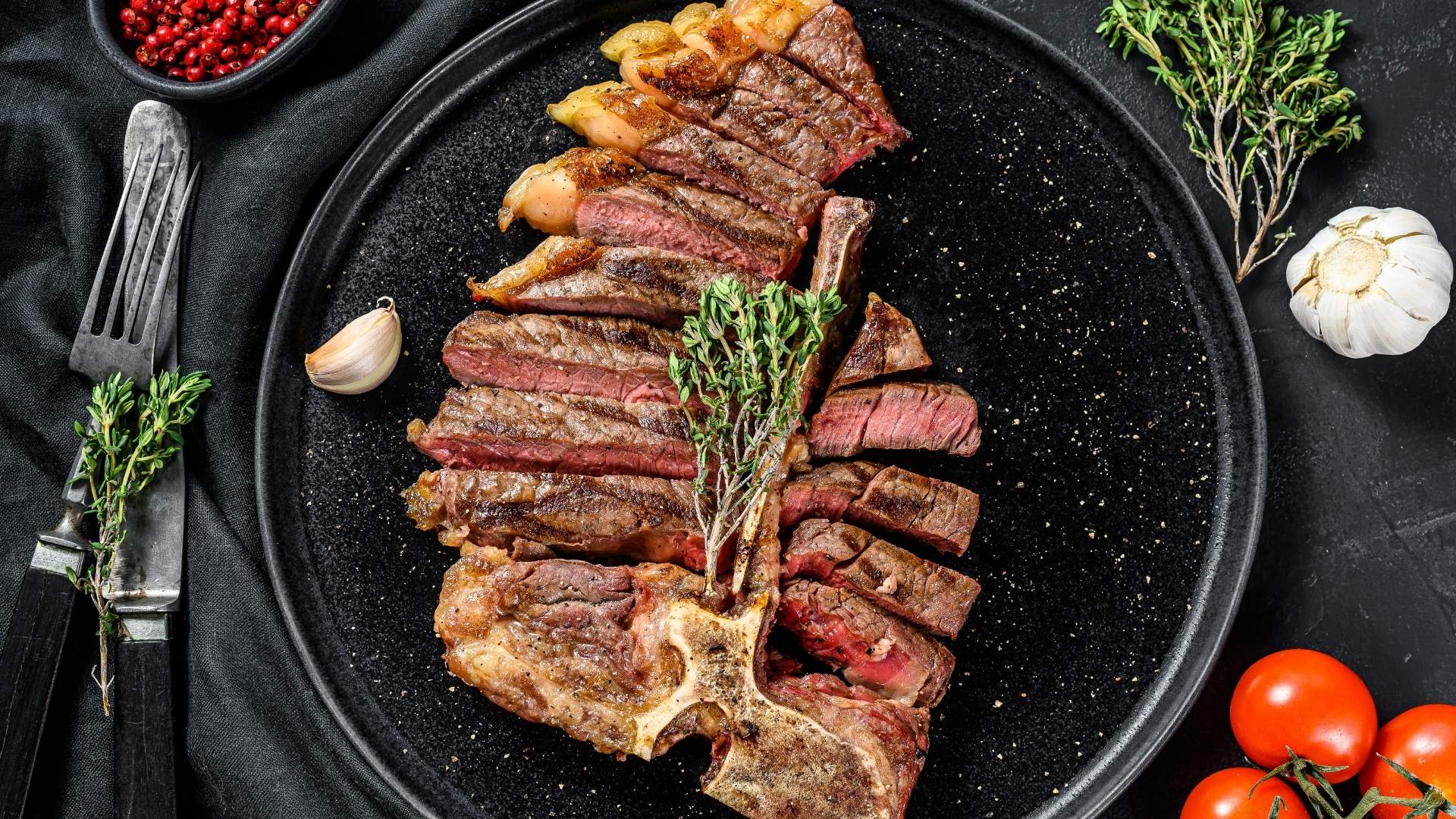
Even with the chart memorised, diners can hesitate; will the ribeye reveal its full richness at medium-rare, or does the fillet demand a gentler touch? Knowing which steaks flourish at each level of doneness ensures that every bite is tender and juicy, avoiding the disappointment of uneven cooking.
Steak at its peak begins with the cut that suits each doneness best:
- Rare: Fillet mignon and Tenderloin are best served rare because their delicate, lean muscles remain silky and tender with minimal cooking.
- Medium Rare: Ribeye, tomahawk, hanger, skirt, and flank are ideal when cooked medium rare, allowing the marbling to melt and the meat to remain juicy.
- Medium: Strip, sirloin, and T-bone reach their best at medium, where the firmer texture develops flavour without losing tenderness.
- Medium Well: Porterhouse performs best at medium well, ensuring both muscles on the bone cook evenly.
- Well Done: Only tougher or less tender cuts should be cooked well done, as high heat can dry out prime steaks and diminish their flavour.
Knowing which cut shines at each level of doneness is only the beginning; how it is accompanied can transform a perfectly cooked steak into a truly memorable experience.
Also Read: How to Grill Perfectly Juicy Steak?
Pairing to Perfection
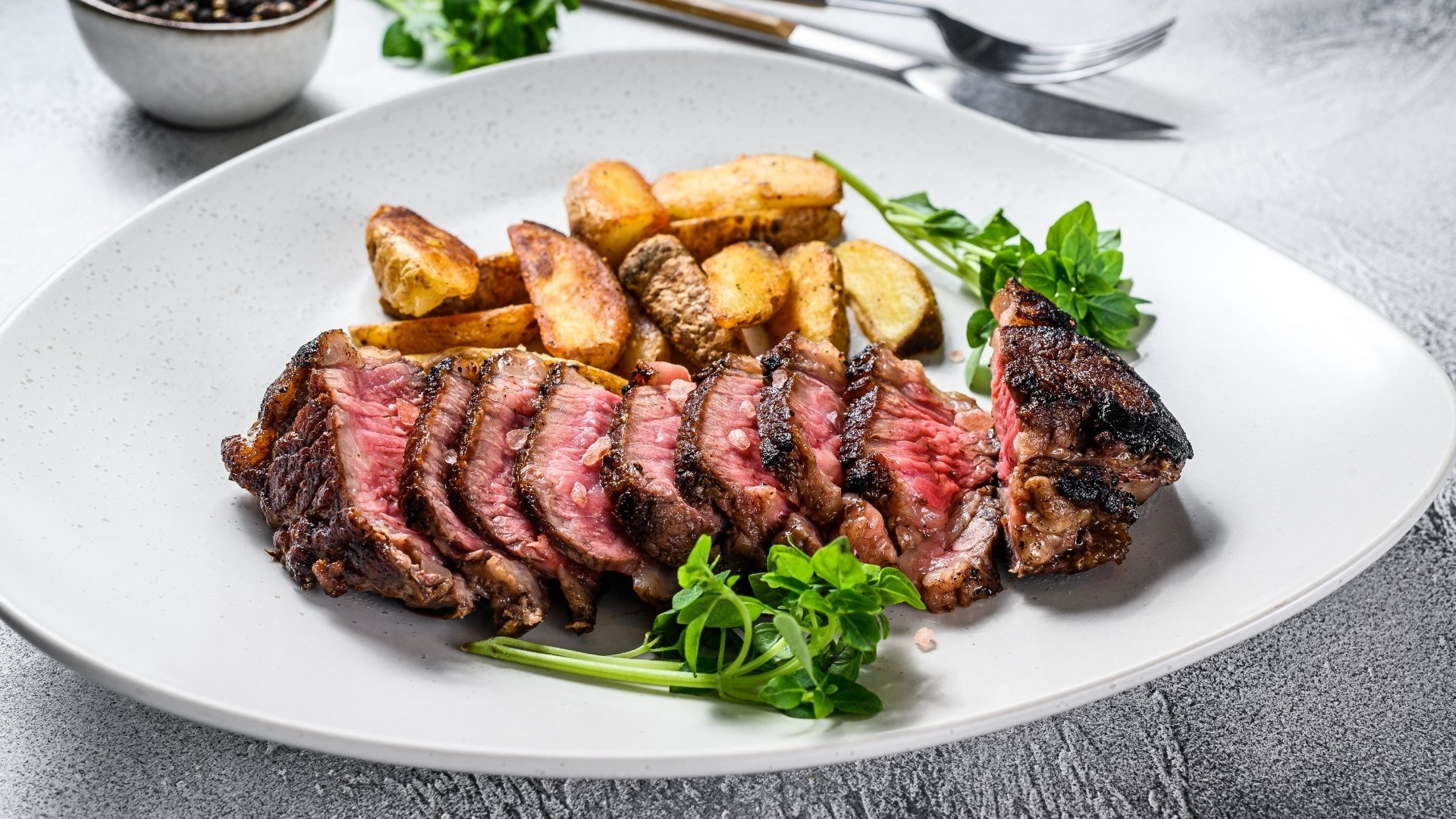
A steak’s mouthfeel is defined as much by its accompaniments as by its cut or doneness. The right sauces, seasonings, and sides enhance marbling, balance richness, and highlight tenderness, turning each bite into a precise and indulgent experience.
Each cut’s composition and fat distribution point to its perfect accompaniments:
Such attention to cut, doneness, and accompaniment is most rewarding in a place where every detail enhances the overall dining experience.
The Pulse of Dubai Steak Dining

The grilling chart guides the plate, but true indulgence is about more than taste alone; it encompasses the care of the chef, the harmony of accompaniments, and the atmosphere in which it is savoured.
At a place where each element is considered, the experience transforms. Every detail at DOORS Dubai is curated by internationally acclaimed Chef Kemal Çeylan, who sears each cut to perfection, accentuates its natural character with precise seasoning, and pairs it with sides that enhance texture and marbling. The menu presents exquisitely marbled cuts alongside refined accompaniments, while an artfully selected array of bespoke drinks elevates the experience to a truly exceptional dining affair.
The setting completes the story: a view of the panoramic city and the Dubai Fountain, lending a sense of occasion to every bite. For those seeking heightened intimacy and attention, the Presidential Table offers private dining where service, presentation, and pacing are meticulously curated.
A reservation ensures every detail, from grill to garnish, is experienced as it should be.
FAQs
1. What is the steak grilling chart, and why is it important?
The steak grilling chart serves as a guide to internal cooking temperatures, indicating the recommended cooking time for each cut to achieve the perfect doneness. It ensures your steak is cooked precisely, tender, juicy, and full of flavour.
2. What are the different levels of steak doneness?
The primary levels are rare, medium-rare, medium, medium-well, and well-done. Each has its own temperature range, texture, and flavour profile.
3. Which steak cuts are best for rare?
Fillet mignon and Tenderloin are ideal when cooked rare, as their lean, delicate fibres remain silky and tender with minimal cooking.
4. What cuts taste best at medium doneness?
Strip, sirloin, and T-bone shine at medium, where the firmer texture develops depth without losing tenderness.
5. Is it okay to order a premium steak well done?
You can, but it’s not recommended for prime cuts like fillet or ribeye, as they are more prone to drying out. Tougher or more economical cuts hold up better when cooked to a well-done state.