.jpg)
.png)
.svg)
Moroccan cuisine is the result of centuries of movement and exchange rather than modern invention. Positioned between the Mediterranean, Atlantic, and Sahara, Morocco absorbed Arab, Amazigh, Andalusian, and African influences through trade, conquest, and migration.
Techniques such as slow braising in clay tagines and steaming couscous developed as practical responses to climate and communal life, long before they became signatures of the cuisine.
In Dubai, Moroccan food found an audience through both migration and hospitality, arriving first in family kitchens and later through carefully positioned restaurants and hotels. There is an order to Moroccan cooking that appeals to Dubai’s palate: grains, proteins, and sauces developed together, not layered at the last moment.
That order comes from the method. Moroccan dishes are cooked as complete systems, with spices added early and sauces reduced slowly alongside the protein. When kitchens cut time or separate components, the balance is lost, which is why Moroccan food in Dubai can differ so sharply from one table to the next.
At a Glance:
- Moroccan food breaks down quickly when timing is rushed. Moroccan cuisine depends on long, low heat and early spice integration, which explains why results vary sharply from one restaurant to another.
- Home-style kitchens prioritise familiarity and traditional pacing.
Restaurants like Nour El Fassia Restaurant, Dar Al Mamounia Restaurant, Moroccan Taste Restaurant, and Lfassia Restaurant & Café focus on slow preparation, shared portions, and dishes served as complete compositions. - Luxury settings change pacing rather than technique.
At Tagine & The Courtyard, Moroccan cooking is framed through refined service, lighter sauces, and controlled sequencing, while CHOUMICHA adapts traditional methods for modern daytime dining and breakfast formats. - Signature dishes reveal whether a kitchen follows tradition.
Bastilla, couscous, tagines, harira, kefta, and Moroccan breakfasts only hold structure when spices are added early, and sauces reduce naturally. These dishes act as benchmarks for technique rather than creativity. - That same discipline naturally connects with modern dining at DOORS Dubai.
At DOORS Dubai, Chef Kemal Çeylan applies technique-led cooking and composed menus to contemporary dining, reflecting the same principles of timing, cohesion, and execution; set against views of the Dubai Fountain.
Where Moroccan Spices Simmer Slow in Dubai
Moroccan cooking depends on slow heat and layered seasoning. Core spice blends such as ras el hanout are added early so flavours mellow rather than overpower. Tagines are designed for low, steady cooking, allowing collagen-rich cuts to soften naturally and sauces to thicken without the need for starch.
When this process is rushed, spices stay sharp, textures turn dry, and dishes lose balance. Only kitchens that respect these methods deliver Moroccan food as it is meant to be experienced.
1. Nour El Fassia Restaurant
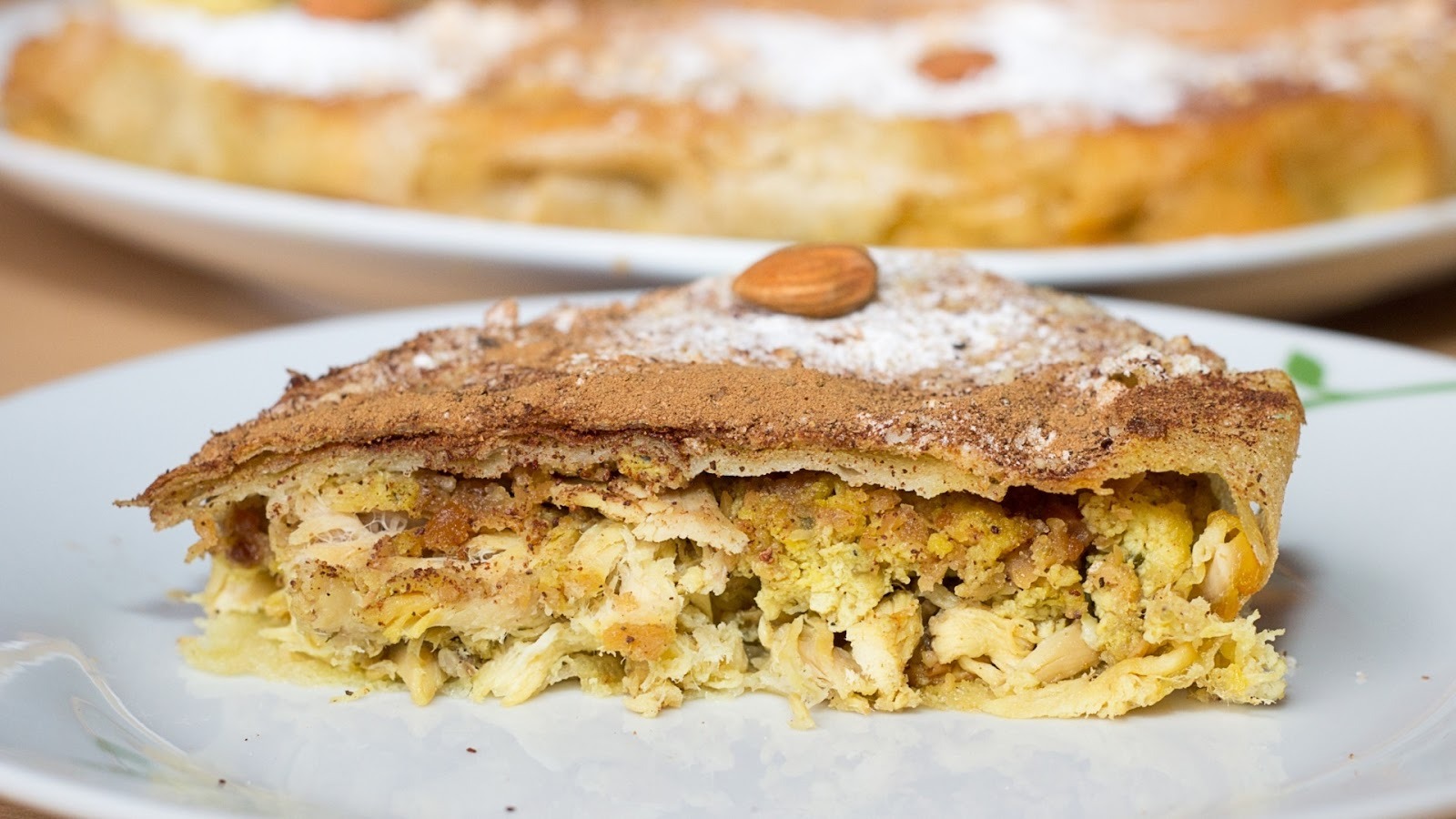
At Al Seef, the setting already slows the pace, and Nour El Fassia leans into that ease. Known for home-style Moroccan cooking, its chicken bastilla is crisp, gently spiced, and well judged. The atmosphere stays warm and unpretentious, with hospitality that feels personal. This is a place for diners who prioritise flavour and tradition over formality.
What the Kitchen Does Best: Chicken bastilla
Crisp pastry layered with spiced chicken, almonds, and cinnamon sugar. Nour El Fassia’s version is delicate rather than heavy, making it one of the most reliable bastillas in the city.
Timings: 9 a.m. to 11 p.m.
Average Spend Per Person: AED 140 to AED 160
2. Dar Al Mamounia Restaurant
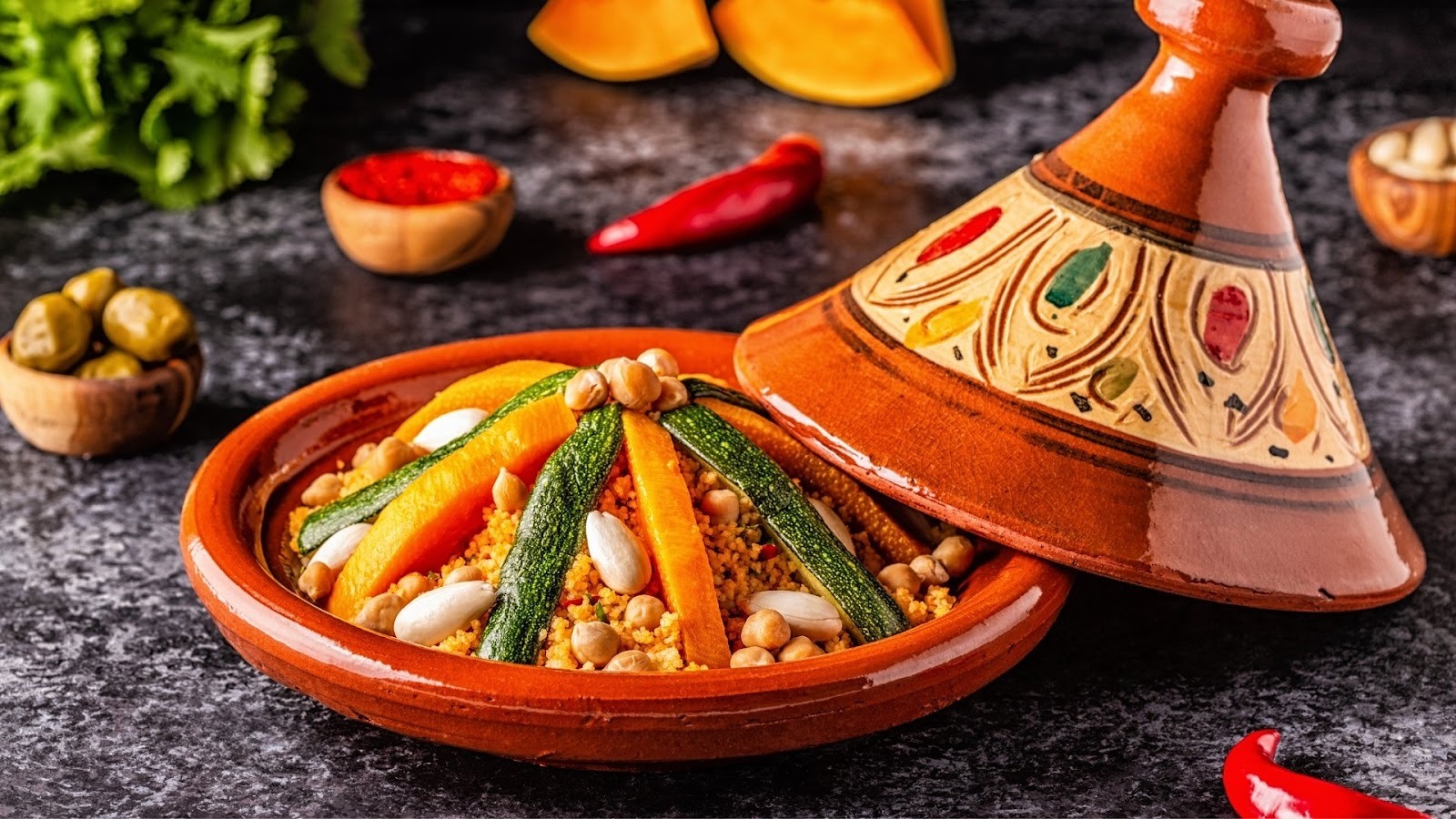
If your idea of Moroccan food involves long meals and shared plates, Dar Al Mamounia fits naturally. Dishes are prepared slowly and served in portions designed for the table. Warm interiors and unhurried service support a dining style that encourages conversation, making it ideal for relaxed evenings rooted in tradition.
What the Kitchen Does Best: Seven-vegetable couscous
Steamed grains topped with slow-braised vegetables and chickpeas, served the traditional way. It is comforting, generous, and best shared, especially on weekends.
Timings: 10 a.m. to 12 a.m.
Average Spend Per Person: AED 80 to AED 100
3. Tagine & The Courtyard
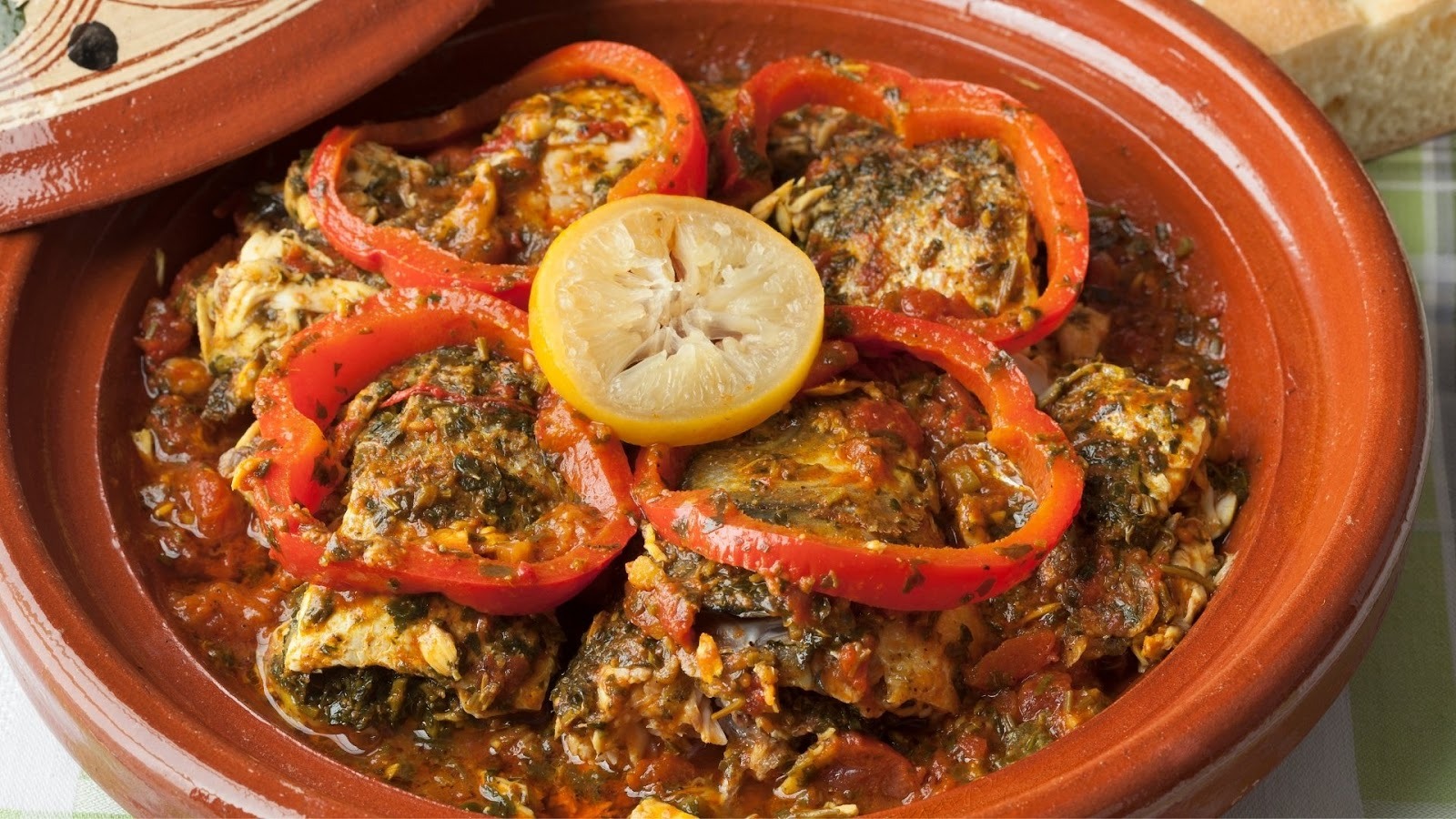
The experience at Tagine and the Courtyard is shaped as much by setting as by technique. Cooking here leans refined, favouring lighter sauces and careful seasoning. Set within a resort courtyard, the atmosphere feels theatrical yet composed, enhanced by live music. It is Moroccan cuisine framed through a luxury lens, ideal for evenings that prioritise ambience and pacing.
What the Kitchen Does Best: Seafood tagine with chermoula
A lighter take on Moroccan cooking, with fresh fish cooked gently in herbs, preserved lemon, and olive oil. Ideal for long dinners that stretch late into the night.
Timings: 7 p.m. to 1 a.m.
Average Spend Per Person: AED 220 to AED 260
This is the kind of dining that draws guests towards experiences like the Presidential Table at DOORS Dubai, where a personal butler and runner guide a 17-course progression, served on golden tableware with measured theatricality.
4. Moroccan Taste Restaurant
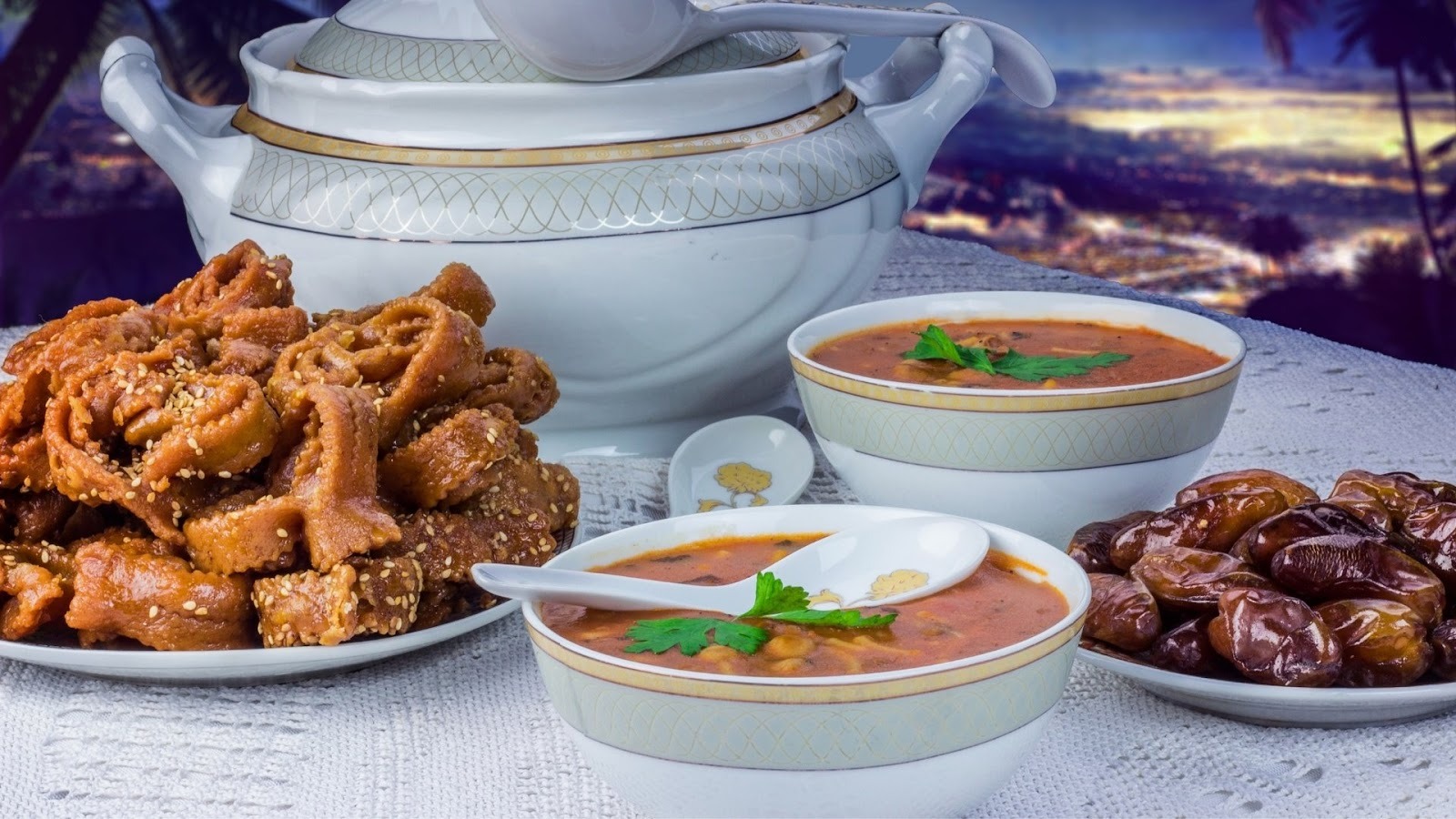
If comfort is what you seek, Moroccan Taste keeps the focus simple. Traditional techniques, familiar flavours, and generous portions define the menu. The space is modest and intimate, with straightforward service. It suits diners who want Moroccan food that feels grounded and honest, without reinterpretation or excess.
What the Kitchen Does Best: Harira soup with dates and chebakia
This is the place to try Moroccan comfort food at its most honest. The harira is rich and warming, especially when paired the traditional way with dates or honeyed pastries.
Timings: 10 a.m. to 12 a.m.
Average Spend Per Person: AED 70 to AED 90
If food rooted in everyday tradition speaks to you, this journey continues with Emirati Plates That Tell the Story of Tradition, where heritage shapes the table just as quietly and deliberately.
5. Lfassia Restaurant & Café
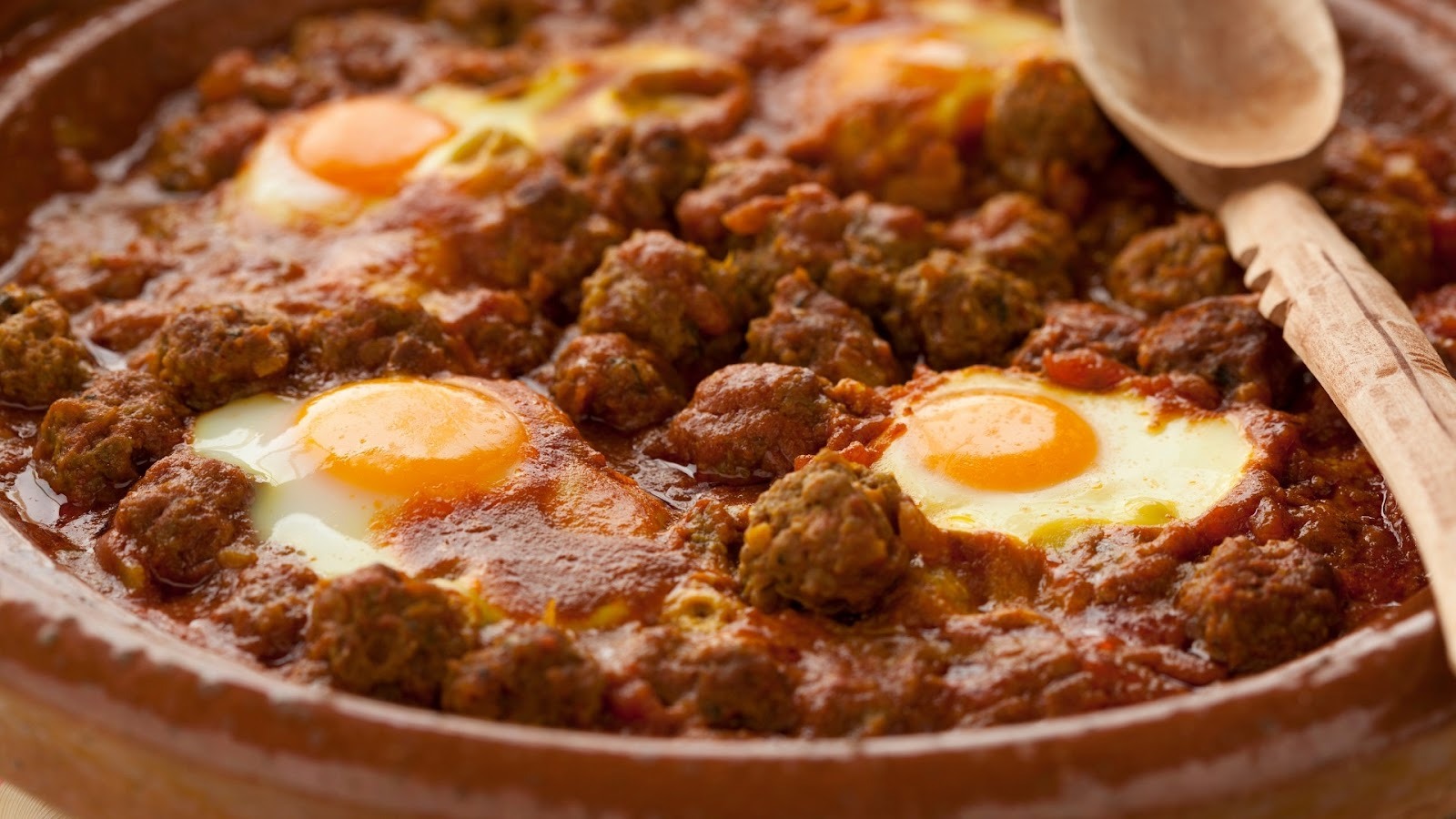
For flavour-forward Moroccan cooking at an accessible price point, Lfassia is a dependable choice. Techniques are traditional and robust, with spice blends that favour depth over subtlety. The relaxed setting and efficient service make it popular with regulars, particularly for casual group meals.
What the Kitchen Does Best: Beef kefta tagine with eggs
Spiced meatballs simmered in tomato sauce and finished with eggs cracked directly into the pan. Simple, deeply satisfying, and one of the restaurant’s most ordered dishes.
Timings: 10 a.m. to 12 a.m.
Average Spend Per Person: AED 70 to AED 90
6. CHOUMICHA
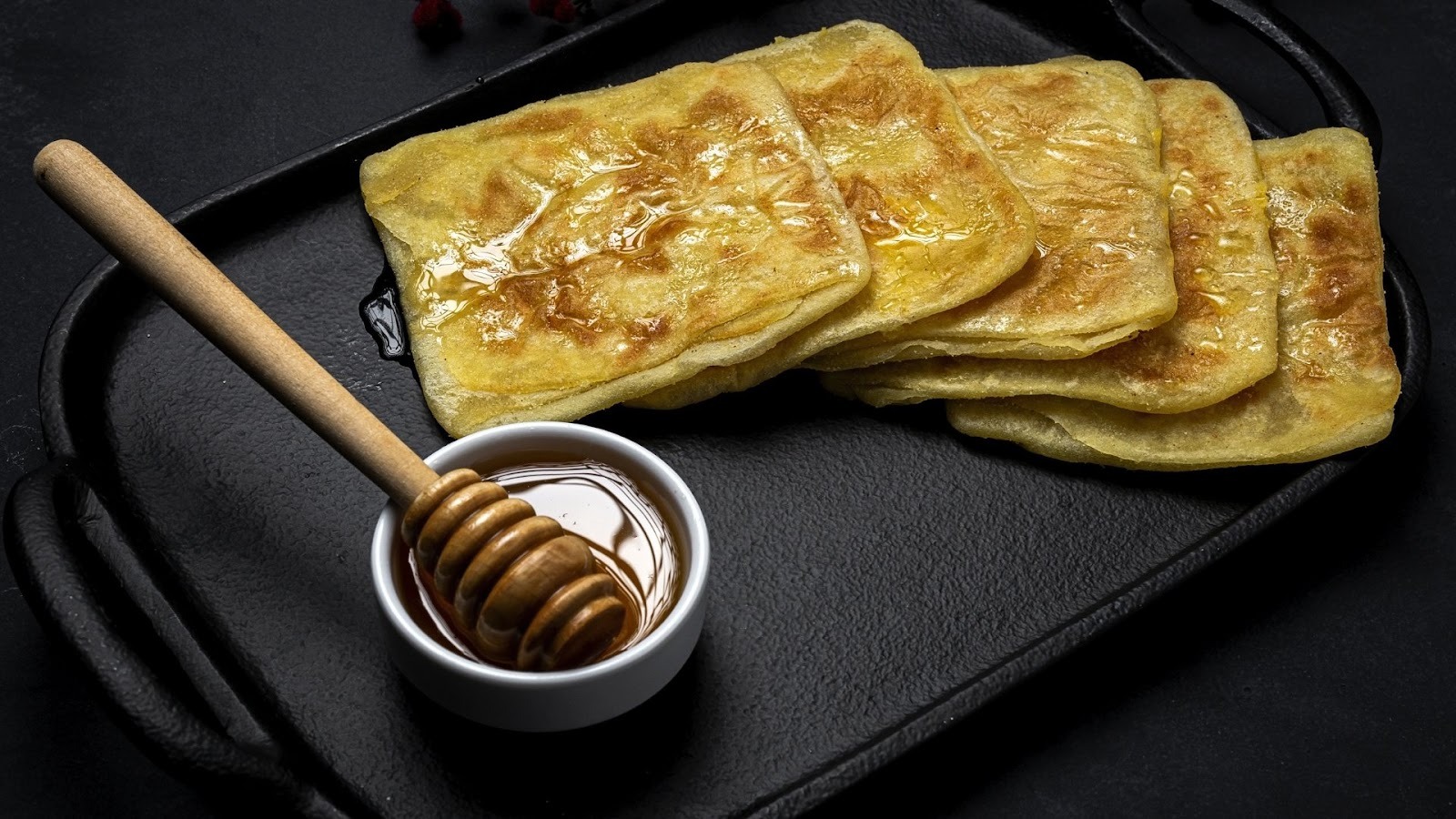
There is a clarity to how Moroccan cuisine is handled at Choumicha. Traditional cooking remains central, but the experience is streamlined and modern. A light-filled setting and calm pace make it a natural choice for daytime dining and relaxed, culturally grounded meals.
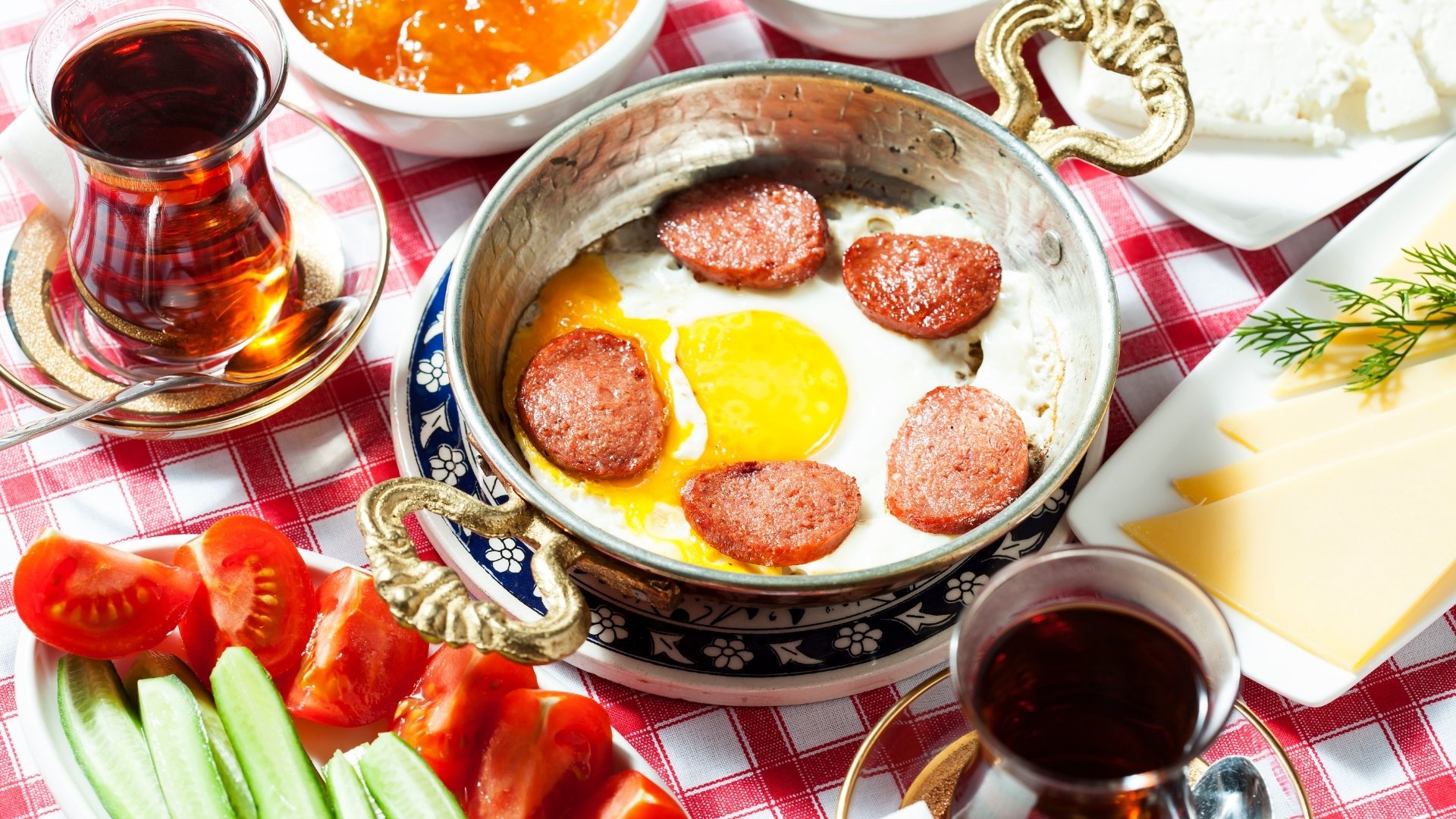
What the Kitchen Does Best: Moroccan breakfast platter with msemen
Soft layered flatbreads served with honey, amlou, olives, and eggs. CHOUMICHA does mornings especially well, making this the dish to order if you arrive early.
Timings: 11 a.m. to 12 a.m.
Average Spend Per Person: AED 180 to AED 250
A similar attention to morning dining appears at DOORS Dubai, where breakfast is served from 10 a.m. to 4 p.m. The format is simple and structured: two dishes for two guests, tea or coffee, and a welcome juice, selected from a focused breakfast menu and priced at AED 150 for two.
Also Read: A Journey Through India on Dubai Plates
When the Journey Ends Somewhere Special

Moroccan food trains diners to notice structure. Dishes are built through timing, controlled heat, and components cooked together rather than assembled later. Once you experience this approach, it becomes difficult to enjoy food that relies on shortcuts, rushed service, or disconnected plates. What stays with you is not a specific flavour, but the discipline behind how the meal is executed.
That same discipline defines DOORS Dubai. Under internationally acclaimed Chef Kemal Çeylan, the kitchen focuses on technique-led cooking and composed menus rather than trend-driven dishes.
Set against sweeping views of the Dubai Fountain, traditional foundations are reworked through a modern lens; premium meats cooked to precise doneness, seafood handled with restraint, crisp fresh salads, and desserts built with structure rather than sweetness alone.
It is the kind of table that waits quietly, ready for those who appreciate how a meal is built.
FAQs
1. Where is Moroccan food most commonly found in Dubai?
Moroccan restaurants in Dubai are mainly located in Al Seef, Jumeirah, Al Barsha, and resort hotels, where kitchens can support slow, made-to-order cooking.
2. Is Moroccan food in Dubai halal and alcohol-free?
Moroccan cuisine in Dubai is halal by default, using halal meats; alcohol service varies by venue, particularly in hotel and resort settings.
3. Is Moroccan food spicy compared to Indian or Middle Eastern cuisine?
Moroccan food is generally mild, using blends such as ras el hanout, saffron, and cinnamon for aroma rather than chilli heat.
4. What does Moroccan food typically cost in Dubai?
Most Moroccan restaurants average AED 80 to AED 150 per person, while luxury hotel venues can range from AED 250 to AED 400 per person for dinner.
5. Do Moroccan restaurants in Dubai serve breakfast?
Some Moroccan kitchens offer breakfast and daytime menus built around msemen, eggs, tea, and breads, while others focus solely on dinner service.