.png)
.svg)
Tempura in Dubai is often mistaken for a modern indulgence, folded casually into menus crowded with global imports. Yet its presence here traces back to late-20th-century Japanese business migration, when hotel restaurants first introduced it alongside sashimi, long before it became a fine-dining staple at a tempura restaurant in Dubai.
The shift is felt in the bite. A light batter, rooted in a 16th-century Portuguese technique refined in Edo-era Japan, meets carefully heated oil, producing a crisp shell that dissipates quickly, leaving seafood and vegetables intact, sweet, and unmasked. There is no heaviness, only temperature, texture, and timing.
What elevates tempura in this city is selection. Chefs adapt the technique to Dubai’s diverse palate, pairing neutral crunch with regional spices or premium produce. When oil control, ingredient quality, and setting align, tempura moves from accessory to centrepiece.
At a Glance:
- Tempura in Dubai is easy to misjudge; too often it arrives greasy, heavy, or rushed, losing the lightness and clarity that define the technique.
- Proper tempura depends on strict control: oil temperature, batter consistency, timing, and pacing at the table; small details that most kitchens struggle to execute consistently.
- From street-style crunch at Fujiya to integrated roll-led tempura at MaKiRa, refined omakase execution at Hidemasa, and shareable pub-style plates at Izakaya, the strongest places treat tempura as technique, not filler.
- Tempura works best when ordered early or mid-meal, paired with grills or sushi; average spends range from casual sharing plates to premium fine dining, depending on setting and sourcing.
- At DOORS Dubai, tempura is part of a wider dining rhythm, timed with fire-led dishes, matched with drinks, and framed by fountain views. This allows it to function as part of the table rather than just a plate.
Plates That Respect the Fry
Tempura is easy to get wrong. Oil that's too cool turns the batter heavy; oil that's too hot strips it of its delicacy. Done well, it stays light, fleeting, and precise, revealing ingredient over coating. That balance requires discipline; control of temperature, timing, and restraint.
Only a handful of kitchens maintain this standard consistently, serving tempura as a technique rather than an indulgence.
1. DOORS Dubai
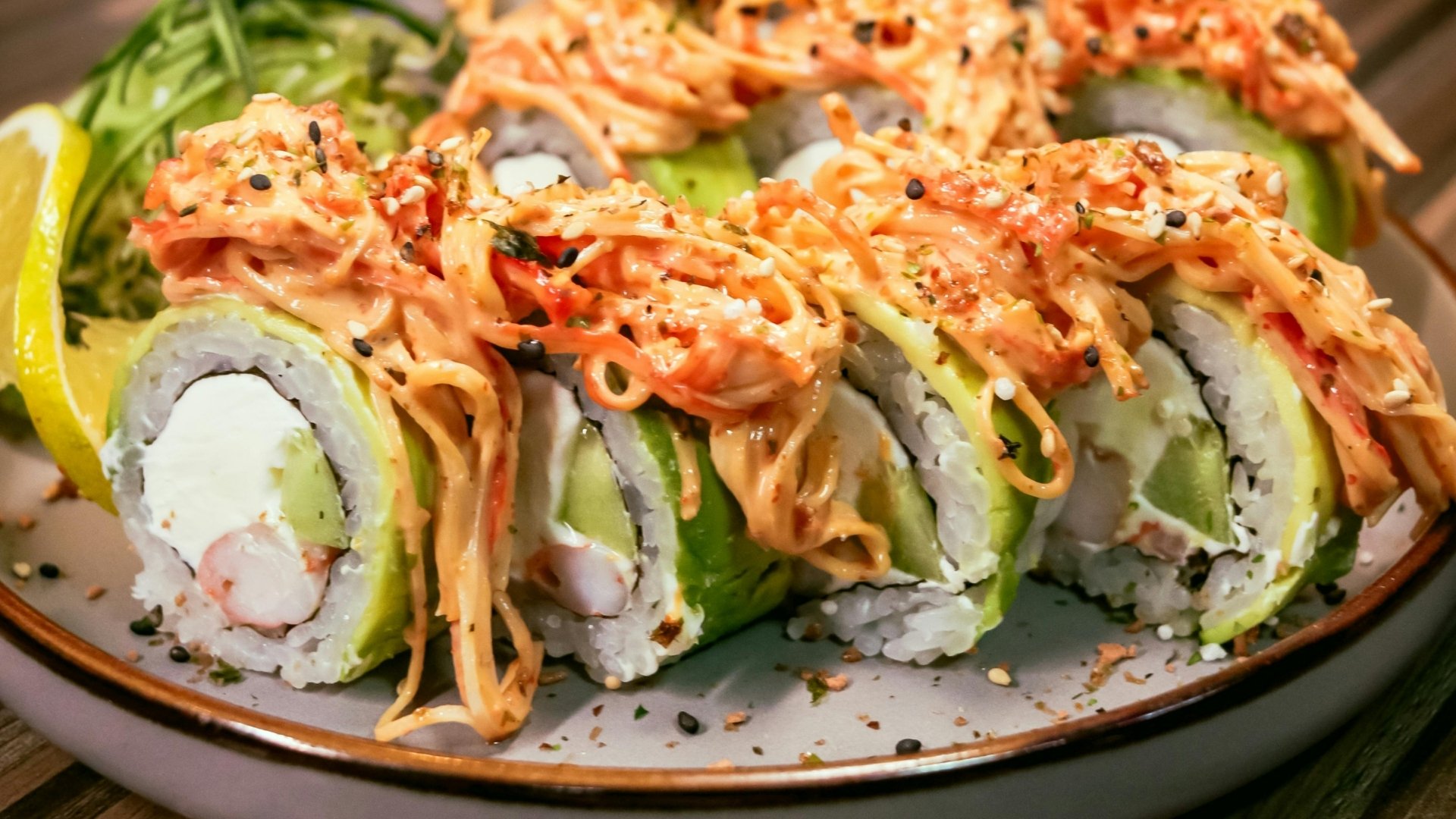
At DOORS Dubai, the art of the crunch takes centre stage, blending traditional Japanese techniques with the smoky, charred excellence of world-class grilling. Chef Kemal Çeylan’s menu elevates tempura beyond the ordinary, pairing succulent seafood and premium-cut meats with a distinct, fire-kissed flair that defines our signature culinary style.
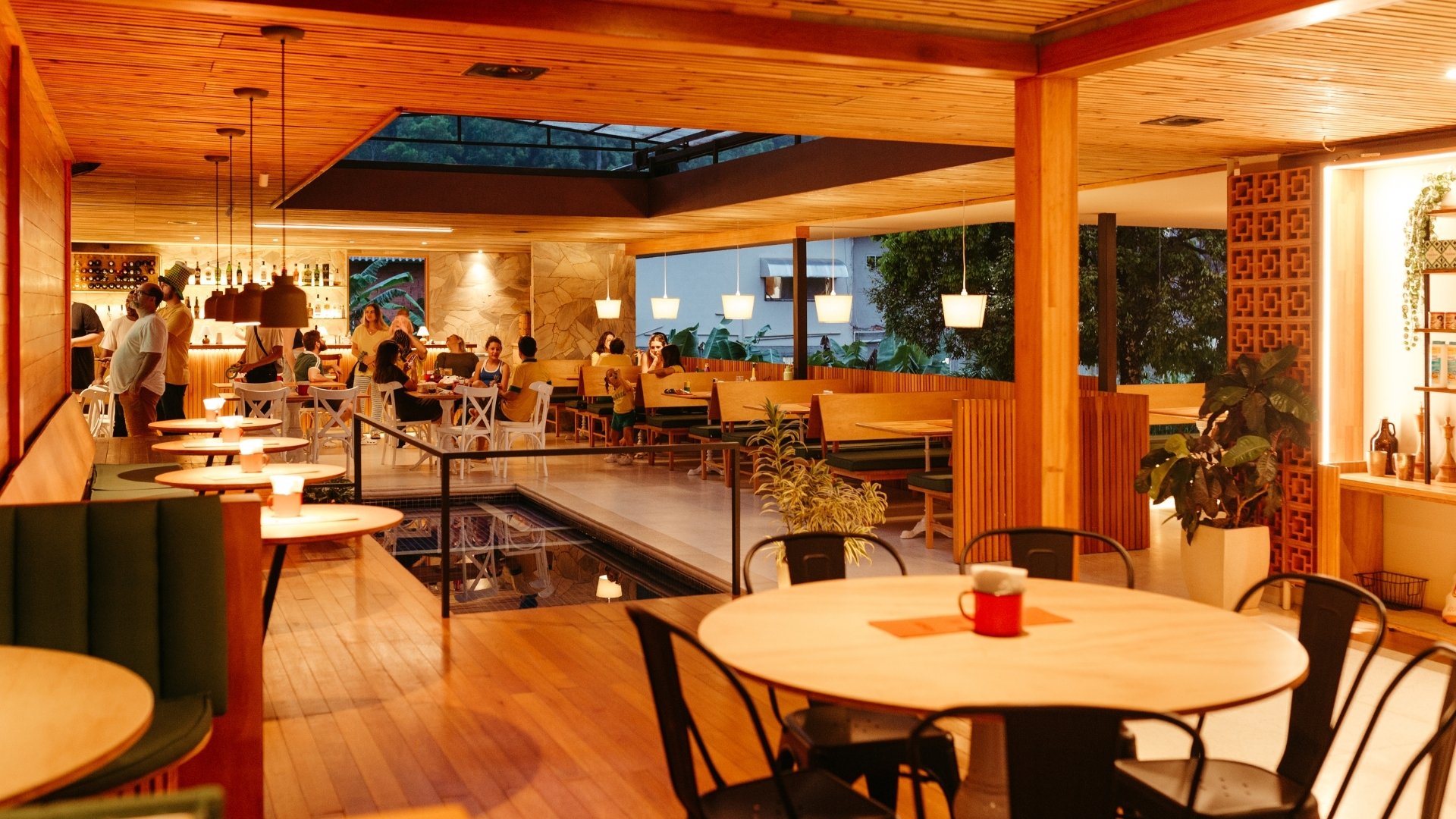
The venue provides a breathtaking backdrop, offering sophisticated indoor and outdoor dining with views of the Dubai fountain and Burj Khalifa. Together, these elements set the tone for what arrives:
- Tempura Roll (Sushi) A delicate fusion of crisp prawns and creamy avocado, finished with a bold kick of dynamite sauce.
- Prawns Tempura Succulent prawns are expertly battered and paired with red Holland peppers for a vibrant, crunchy bite.
- Squid Tempura Tender squid is complemented by the heat of jalapeño and the delicate texture of crispy leeks.
- Broccolini (Tempura) Fresh broccoli is transformed with a light tempura batter and served with a fragrant basil sauce.
For those who desire an evening of unparalleled prestige, the Presidential Table offers a 17-course journey served upon bespoke golden tableware. Guests are attended to by a dedicated personal butler and runner, ensuring every need is met with the same level of care as our beloved chairman.
2. Fujiya Downtown
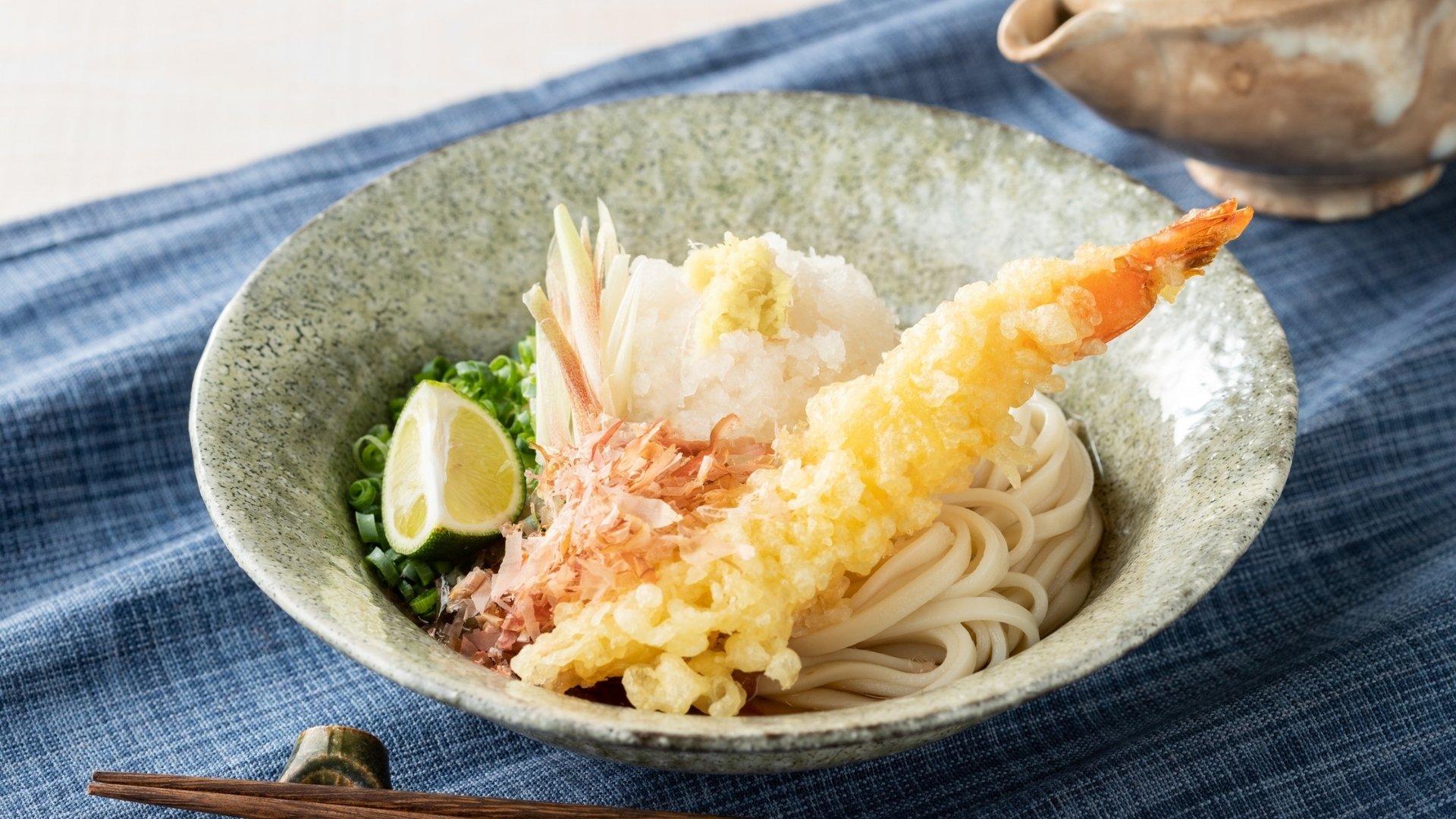
Fujiya Downtown channels the spirit of a Tokyo izakaya into Downtown Dubai, pairing smoky yakitori with shatteringly crisp, lightly fried tempura. Unpretentious and lively, it favours street-style technique over heavy oils, delivering authentic flavour in a buzzing, late-night setting just steps from the Dubai Mall.
To move seamlessly between grill and fryer, these golden signatures are worth attention:
- Ebi Tempura: These succulent whole prawns are encased in a feather-light coating that remains remarkably crisp while preserving the sweet, juicy interior of the seafood.
- Tempura Moriawase: This expansive platter offers a diverse exploration of textures, featuring everything from delicate kisu fish and shiitake mushrooms to earthy sweet potato and shiso leaves.
- Kisu Tempura: A sophisticated choice for the discerning palate, this delicate sandborer fish is fried whole to achieve subtle sweetness and a signature ultra-crispy finish.
For a deeper look at how Japanese traditions adapt to the city, Matcha Rituals That Travelled Well to Dubai traces a similar journey
3. MaKiRa

Tempura at MaKiRa Dusit Thani DIFC is not treated as a side note, but as a textural counterpoint to a broader Japanese conversation. Here, crisp frying meets contemporary rolls and bowls, allowing light batter to sharpen flavours rather than dominate them, all within a polished DIFC setting that feels considered but never stiff.
Rather than isolating tempura, the menu threads it through compositions where crunch supports balance and pacing. A few expressions capture this approach best:
- Ebi Tempura: Carefully fried prawns that retain moisture and sweetness beneath a clean, delicate shell, finished simply to keep the focus on texture.
- Ebi Tempura Uramaki: Tempura prawns folded into an inside-out roll with avocado and layered condiments, where crunch anchors the roll without overwhelming it.
- Hiyashi Chuka Wakame Salad: Chilled seaweed and pickled cucumber lifted by crisp nori tempura, adding contrast while keeping the dish light and composed.
For those drawn to Japanese flavours beyond the fryer, Sushi Sojourns Where Dubai Mall Delights explores how precision and place come together across the city’s most considered sushi counters.
4. Hidemasa

Most people think of tempura as comfort food: easy, familiar, and forgettable. At Hidemasa Dubai DIFC, it is treated with care you can actually taste. Chef Hidemasa Yamamoto applies years of Michelin-level experience to ingredients flown in from Japan, keeping flavours clean, light, and quietly impressive.
If you are curious to see how far simple frying can go, these dishes show it best:
- Soft-Shell Crab Tempura: Fried whole in an almost weightless coating that keeps the crab sweet, warm, and crisp without heaviness.
- Seafood Tempura Moriawase: A seasonal selection cooked piece by piece, allowing each ingredient to stay distinct and naturally flavoured.
- Vegetable Tempura: Shiso leaves and shiitake mushrooms are gently prepared, letting their freshness and earthiness come through without excess batter.
For those interested in how this same precision carries across the menu, Surf, Turf, and the Pour: Best Wines to Pair with Steak and Shrimp looks at how thoughtful pairings elevate simple techniques into complete dining experiences.
5. Izakaya
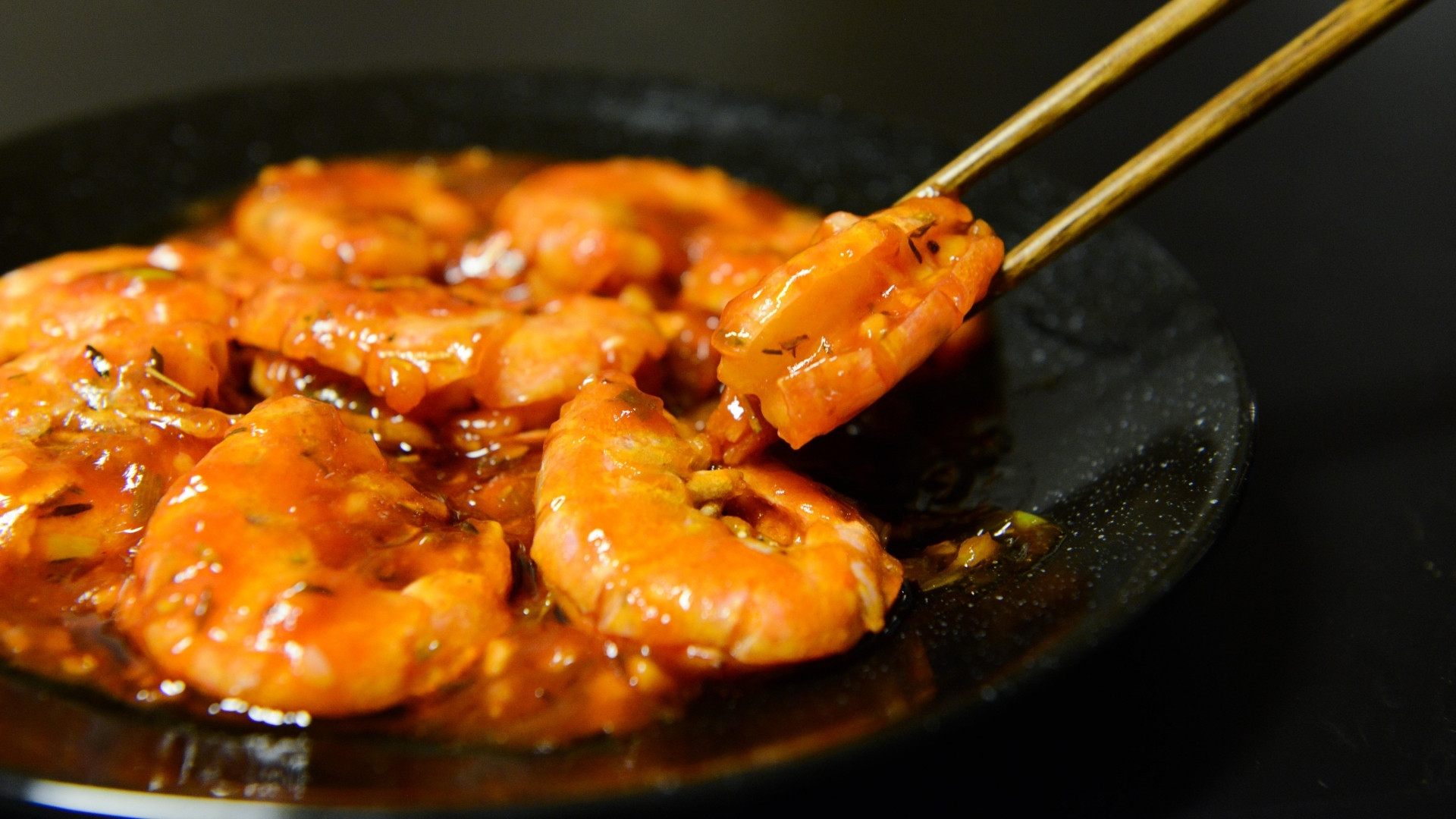
Some nights call for polish; others call for noise, sharing, and food that keeps pace with conversation. At Izakaya Business Bay, tempura plays that supporting role well: crisp, familiar, and built for the table rather than the spotlight, set against teppanyaki theatrics and a lively Japanese pub atmosphere overlooking the city.
When tempura is meant to be passed around, these dishes lead the order:
- Rock Shrimp Tempura: Lightly fried shrimp coated in spicy mayo and wasabi, delivering heat, crunch, and instant crowd appeal.
- Mixed Tempura Platter: A generous spread of prawns, calamari, and vegetables, designed for sharing between bites of sushi and grill.
- Soft-Shell Crab Tempura: Fried whole and served with ponzu, offering bold texture and flavour that stands up to the room’s energy.
Crunch Time Done Right
Tempura in Dubai is at its best when it is not treated as a solo act. Done properly, it’s light, precise, and timed to arrive alongside other plates; something that cuts through richness, resets the palate, and makes sense within a larger meal rather than standing apart from it.
The right pairing matters. Crisp tempura works best when balanced with grilled meats, steaks, or seafood, matched with a considered drink and a setting that encourages pace rather than rush. That balance is where DOORS Dubai excels; bringing together technique, fire-led cooking, thoughtful accompaniments, and fountain views that slow the experience just enough.
When the crunch, the grill, and the view fall into place, the experience settles naturally and is considered at a table waiting for you.
FAQs
1. What should good tempura actually taste like?
Good tempura should feel light and dry on the first bite, with the batter breaking cleanly and the ingredient inside staying sweet, moist, and clearly identifiable.
2. Why does tempura quality vary so much between restaurants in Dubai?
Because it depends on oil temperature, batter mixing, and timing, small errors can make it greasy or dull; only a few kitchens execute it consistently well.
3. Is tempura better eaten alone or with other dishes?
Tempura works best alongside grilled meats, seafood, or sushi, where its crispness cuts through richer flavours rather than overwhelming the dish.
4. Which ingredients are best suited to tempura in Dubai’s climate?
Seafood like prawns, squid, and soft-shell crab, along with vegetables such as broccolini or shiso, retain texture and flavour better than heavier proteins.
5. Where can tempura be enjoyed as part of a complete dining experience?
At DOORS Dubai, tempura is timed and paired with fire-led dishes, drinks, and views, allowing it to fit into the table’s flow rather than stand alone.