.png)
.svg)
Pasta in Dubai is no longer an import or a passing trend. It sits comfortably within the city’s everyday dining, shaped by years of trade, Italian migration, and a population that remains largely international. What began as restaurant fare has become familiar, moving easily between home kitchens, neighbourhood cafés, and formal dining rooms.
Its presence carries a layered history. From early Arab ittriyya influencing Sicilian pasta to Dubai hosting World Pasta Day and establishing local production in 1979, pasta’s journey mirrors the city’s own growth. Tourism, manufacturing, and Italian kitchens helped it move from niche to staple.
Today, pasta in Dubai works best when it is treated with intention. Technique, portion, and timing matter more than novelty. When these align, pasta does what it has always done here: offer comfort, consistency, and a shared point at the table.
At a Glance:
- Finding the best pasta in Dubai is not always straightforward. Many menus look similar, which makes it harder to spot kitchens that prioritise technique and balance.
- Cipriani Dolci stands out for its Venetian approach. House-made dough, minimal ingredients, and consistent execution appeal to diners who value familiarity done well.
- Fi’Lia, Il Borro Tuscan Bistro, and Cucina each represent distinct Italian styles. From generational handmade pastas and biodynamic Tuscan sourcing to live pasta-making and rotating menus, each offers a different reason to return.
- What separates good pasta from forgettable plates is detail. Shape selection, sauce ratio, portion size, and whether a dish is meant to be shared all influence the experience.
- DOORS Dubai places pasta within a complete meal rather than isolating it. Premium meats, seafood, classic lunch dishes, and mocktails create a table that feels considered from start to finish.
Pasta Forms Found Across Dubai Tables
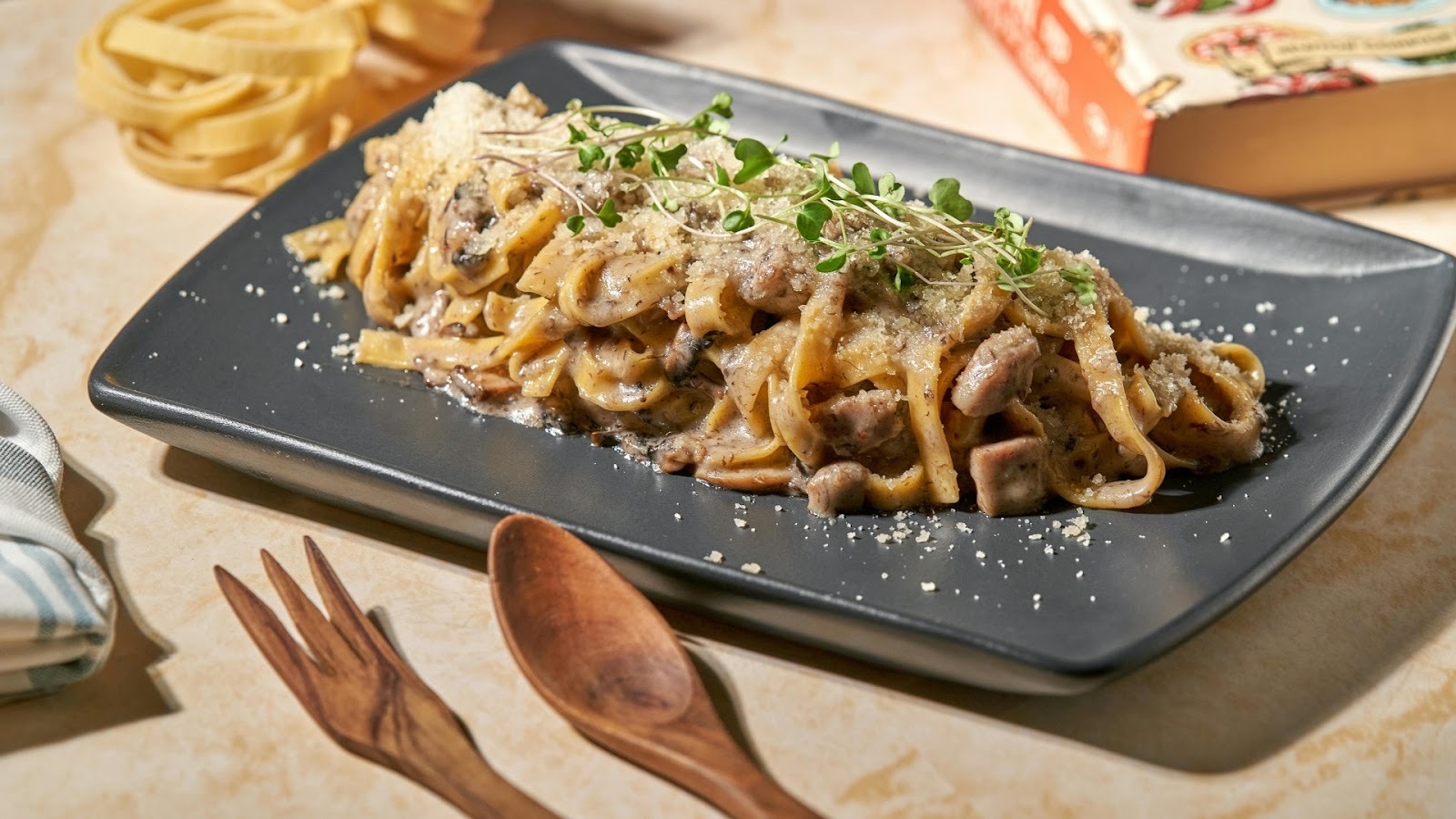
Across the city’s leading Italian and Italian-led kitchens, pasta shapes are chosen deliberately. They reflect both regional tradition and the expectations of a well-travelled dining audience.
Top restaurants focus on execution rather than reinvention. Long strands stay simple, short cuts carry depth, and filled pastas are treated as main courses, shaping how pasta is ordered across Dubai.
Across the city’s most established restaurants, pasta appears in familiar but purposeful forms:
1. Long Strand Pastas
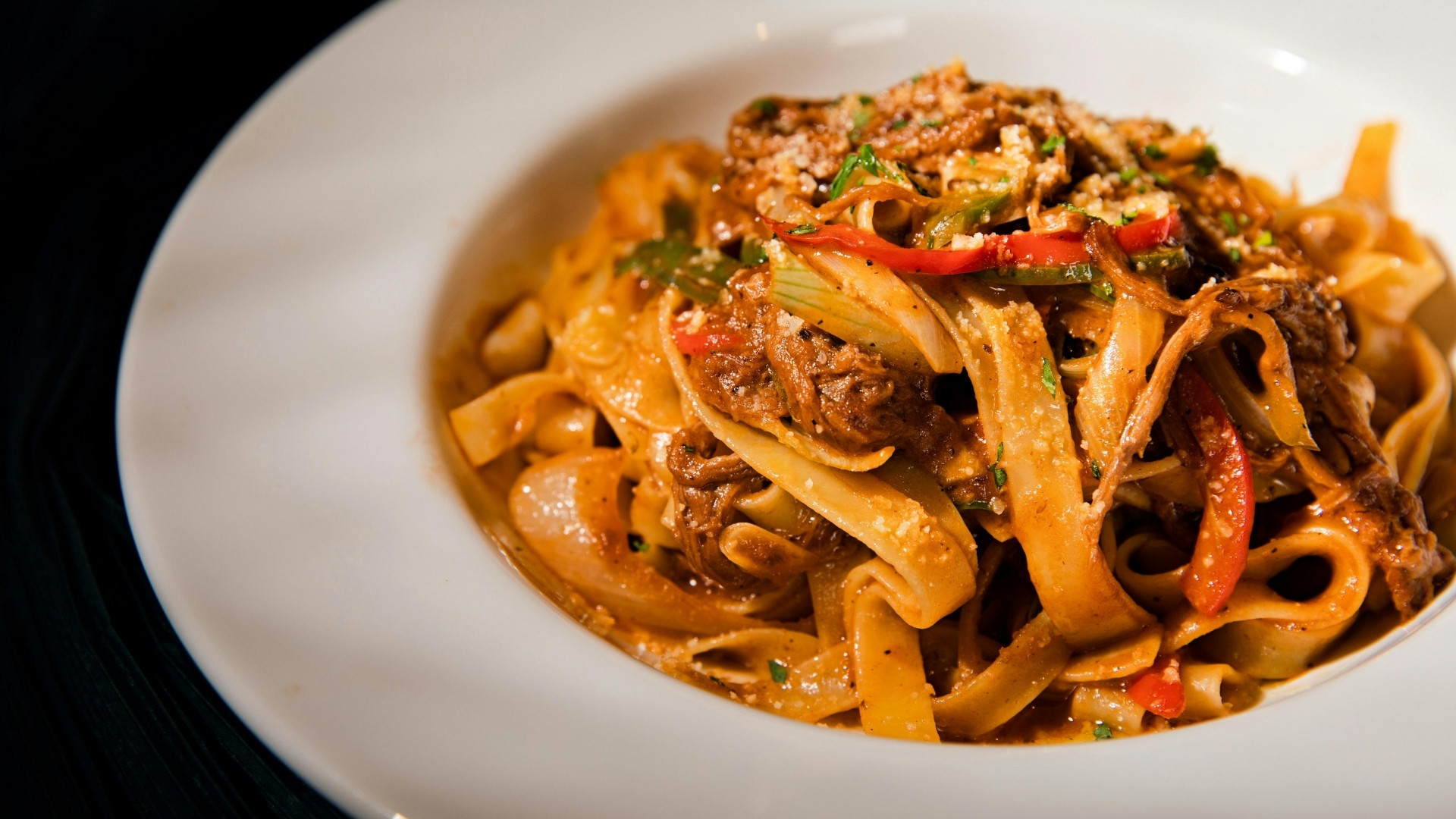
Spaghetti and bucatini are used for oil-based, cheese-forward sauces, where the pasta remains visible and lightly coated. Linguine is preferred for seafood due to its flat surface, while wider ribbons like fettuccine and tagliatelle are paired with cream or slow-cooked ragù.
Hand-rolled strands such as pici appear in dishes where thickness and chew are part of the experience.
2. Short-Cut Pastas
Penne, fusilli, and rigatoni are chosen for sauces that require grip and heat retention. Their ridges and hollow centres make them suitable for tomato-based, baked, or meat-heavy preparations.
Pappardelle sits between categories, often reserved for rich, slow-cooked sauces that benefit from its width.
3. Filled and Shaped Pastas
Ravioli and plin are treated as composed dishes rather than staples, often served with butter, light cream, or reduced sauces that do not overpower the filling.
Farfalle and orecchiette offer versatility, appearing in both warm and vegetable-led preparations, where their shapes influence bite and balance.
After understanding how pasta takes shape across Dubai tables, it’s worth seeing how other cuisines follow their own rules. Mexican Plates Built on History and Heat Across Dubai explores a very different approach to form, flavour, and tradition.
Pasta e Perfectione
In a city with endless Italian menus, good pasta is easy to find, but correct pasta is not. The difference lies in restraint, portioning, and how the sauce is allowed to work with the shape.
Only a handful of kitchens consistently treat pasta as a main course rather than a filler, letting technique and balance lead.
1. DOORS Dubai
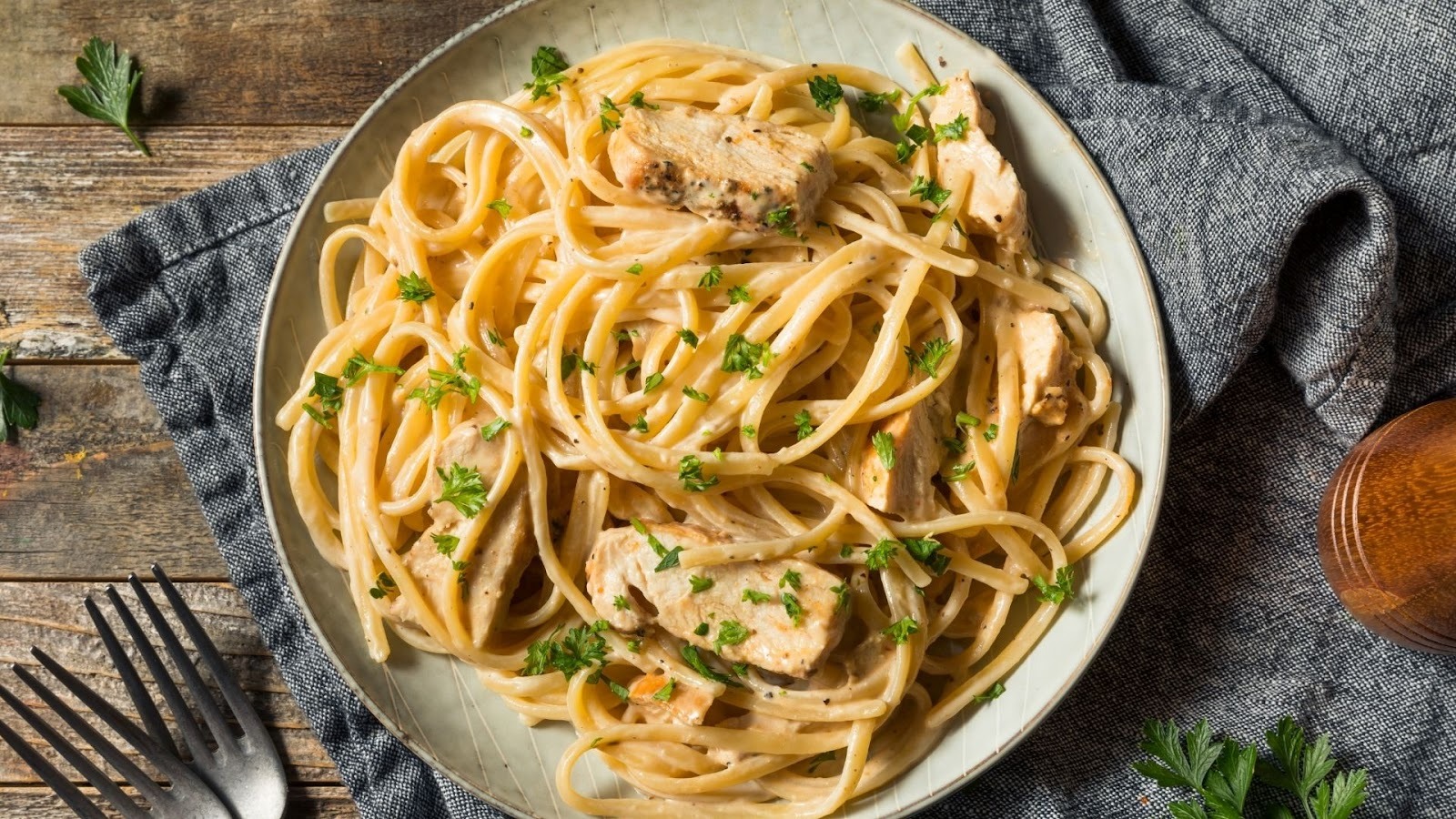
Not every place in the city allows pasta to sit comfortably within a larger meal. DOORS Dubai does. Set inside Dubai Mall with clear fountain views, the restaurant offers the kind of control that matters when ordering across courses.
Under the guidance of internationally acclaimed chef Kemal Çeylan, dishes are crafted to work together, not compete, making pasta an easy choice rather than a risky one. Courses are paced, and the mocktail menu offers clean pairings that do not weigh the meal down.
What helps diners decide to stay longer:
- Menu Structure:
Pasta pairs well with grilled meats, seafood, and lighter plates, making it easy to share or mix courses without repetition. - Bites and Clouds Shisha:
A defined after-meal choice that includes two shishas, selected beverages, and dessert for two at AED 280, useful for those planning to extend the table time. - Express Wagyu:
A fixed-price lunch at AED 99 per person, served within eight minutes, combining a DOORS burger, fries, grapes, and a small dessert, available from 12 p.m. to 6 p.m. - The Presidential Table:
A fully hosted 17-course experience with personal butler service and structured presentation, suited for diners seeking a controlled, high-attention meal.
Standout Pasta: Fettuccine Coconut Pasta and Black Pepper Pasta.
Average Spend Per Person: AED 400 to AED 600
2. Cipriani Dolci
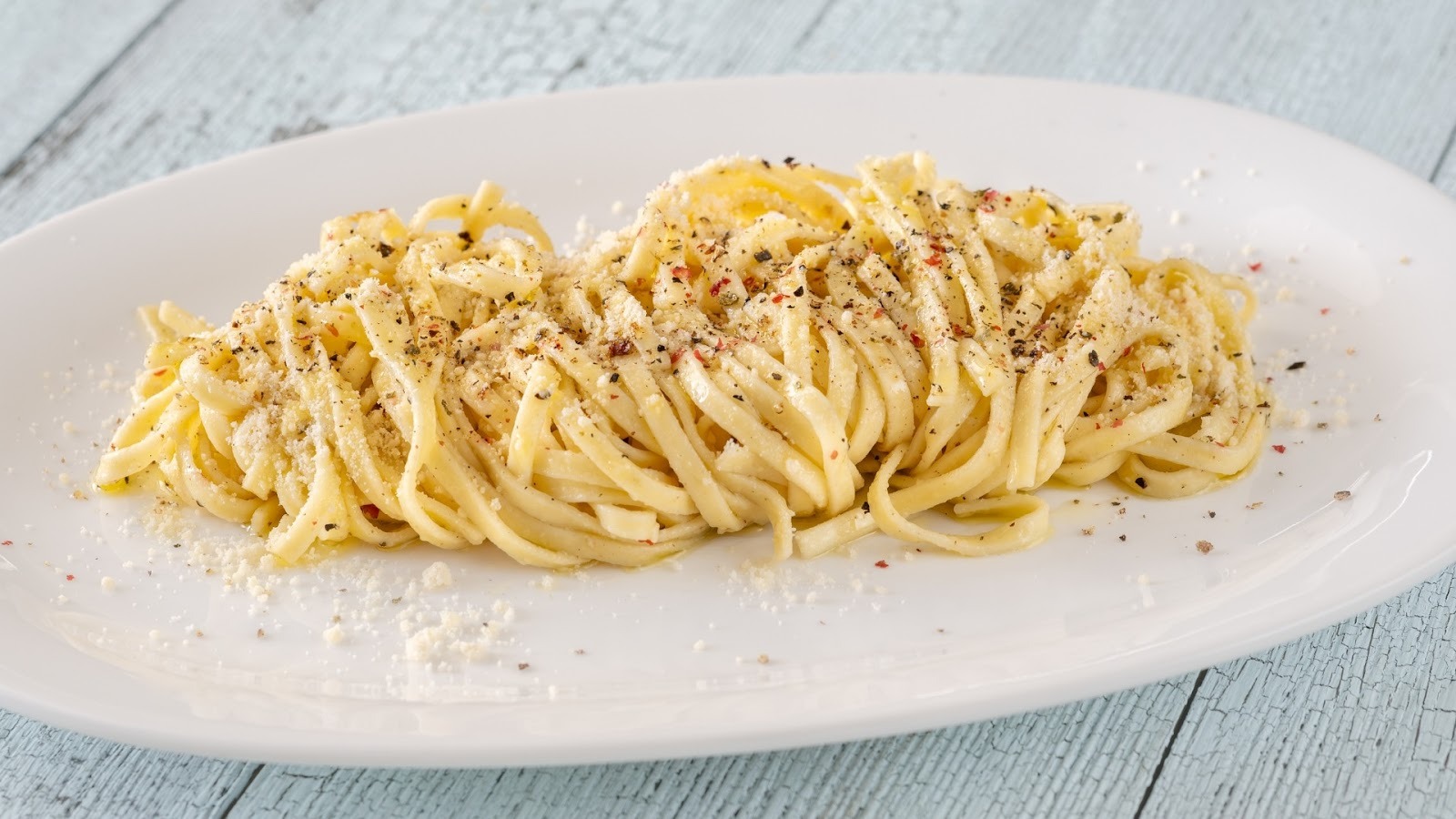
Cipriani Dolci earns its pasta following through consistency rather than reinvention. Rooted in Venetian technique, its pasta relies on house-made dough, minimal ingredients, and precise finishing in the pan. Served across Dubai’s luxury malls, it suits diners who value familiarity done correctly, whether for a quick lunch or a relaxed meal.
Standout Pasta: Bucatini Cacio e Pepe and Tagliolini with Black Truffle.
Average Spend Per Person: AED 150 to AED 250
3. Fi'Lia
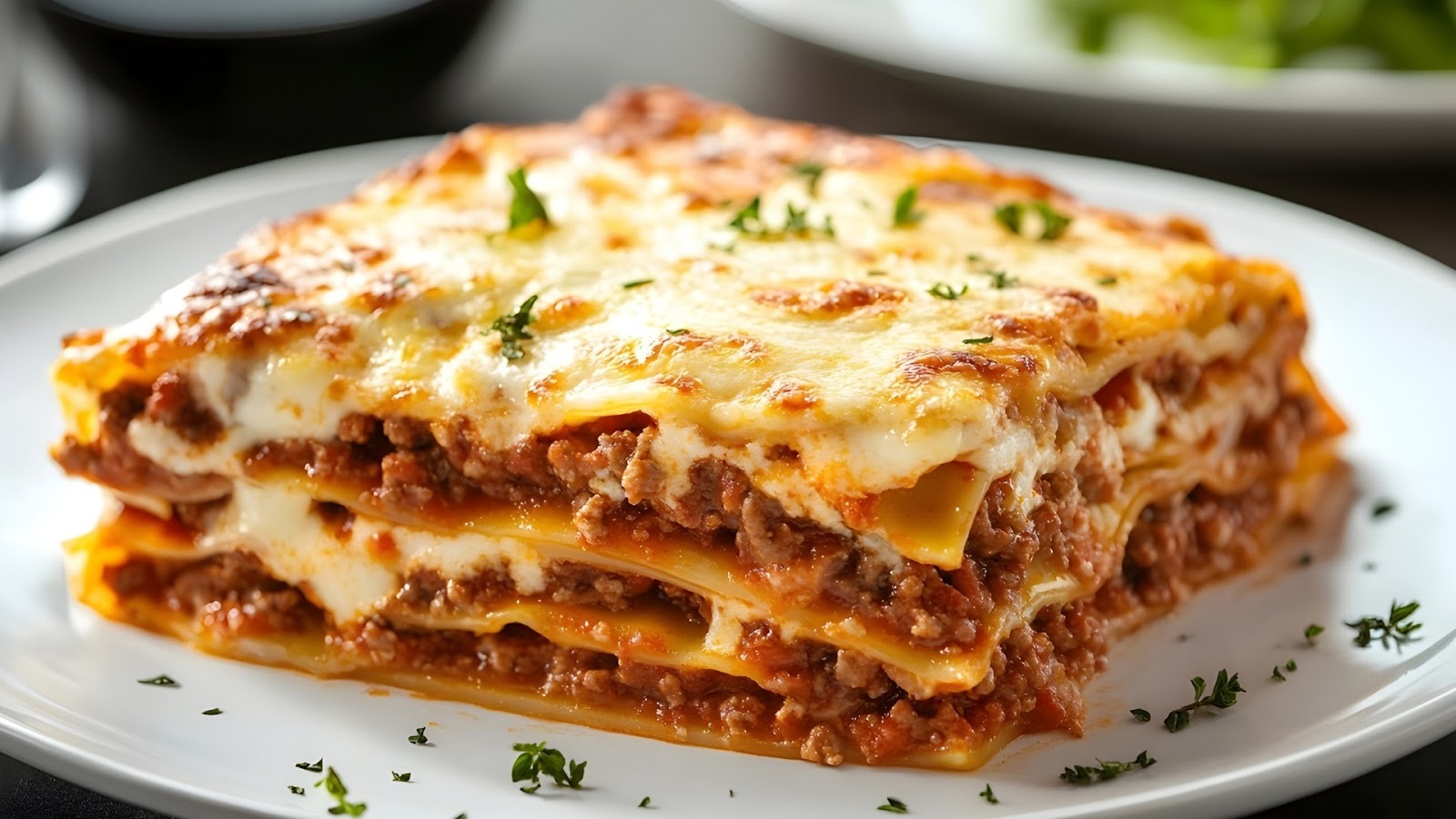
Fi’Lia builds its pasta reputation on daily handmade production and generational Italian technique. Rooted in family recipes and executed with premium flours and precise extrusion, the pasta here balances tradition with subtle creativity. The result feels deliberate and reliable, appealing equally to Italian expats and serious diners.
Standout Pasta: Lasagna Bolognese and Carbonara
Average Spend Per Person: AED 300 to AED 450
4. Il Borro Tuscan Bistro
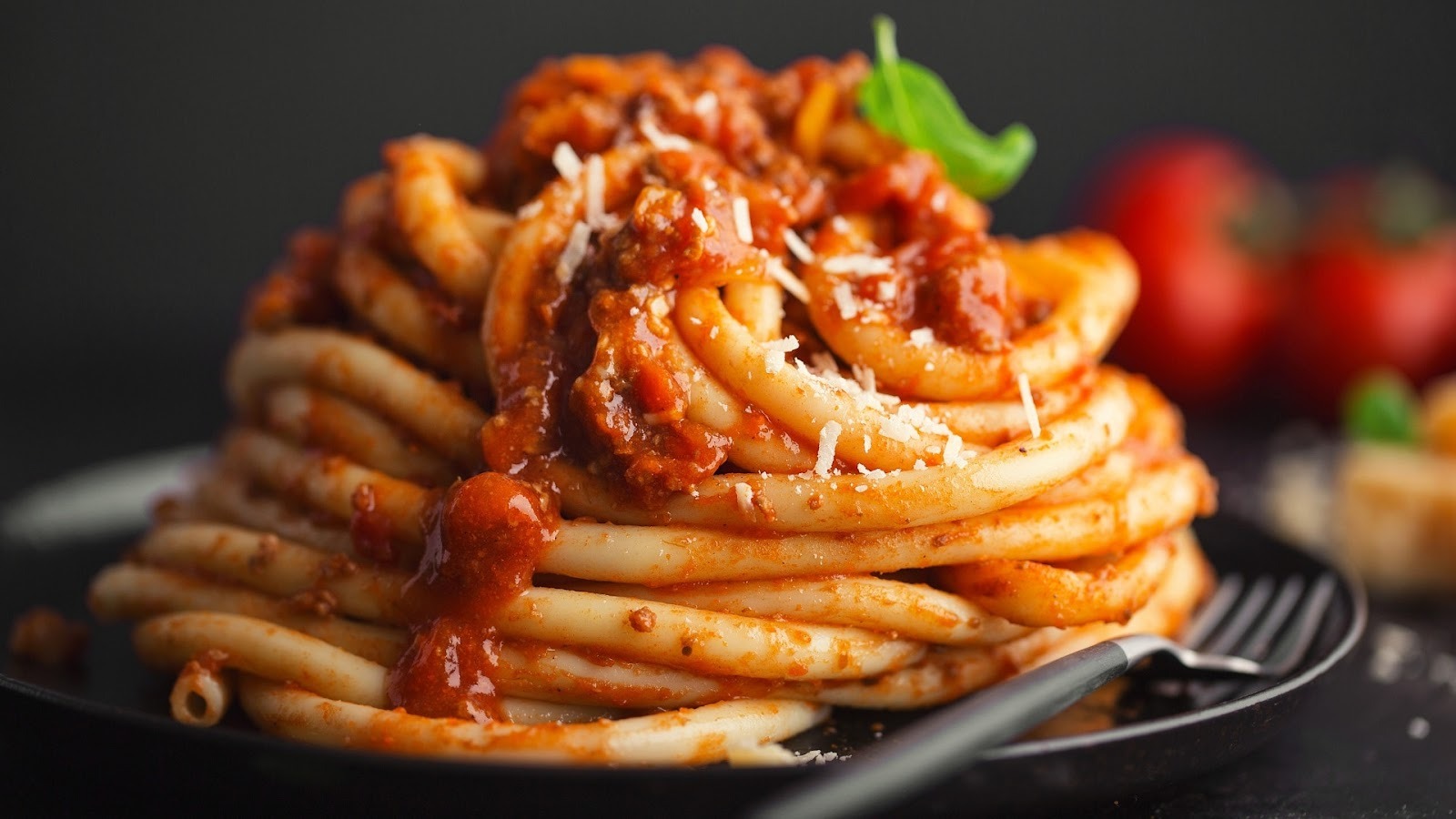
Pasta at Il Borro Tuscan Bistro is guided by Tuscan farm-to-table principles, with the restaurant drawing directly from its biodynamic estate in Italy. Handmade shapes, minimal sauces, and seasonal produce keep the focus on freshness and regional identity, offering a grounded expression of Tuscan cooking that favours clarity over adaptation.
Standout Pasta: Pici with Aglione Garlic Sauce and Cappellacci Pasta
Average Spend Per Person: AED 350 to AED 500
For those curious to explore how a different cuisine plays out in the same setting, read Sushi Sojourns Where Dubai Mall Delights to see how Japanese dining finds its rhythm in the city.
5. Cucina
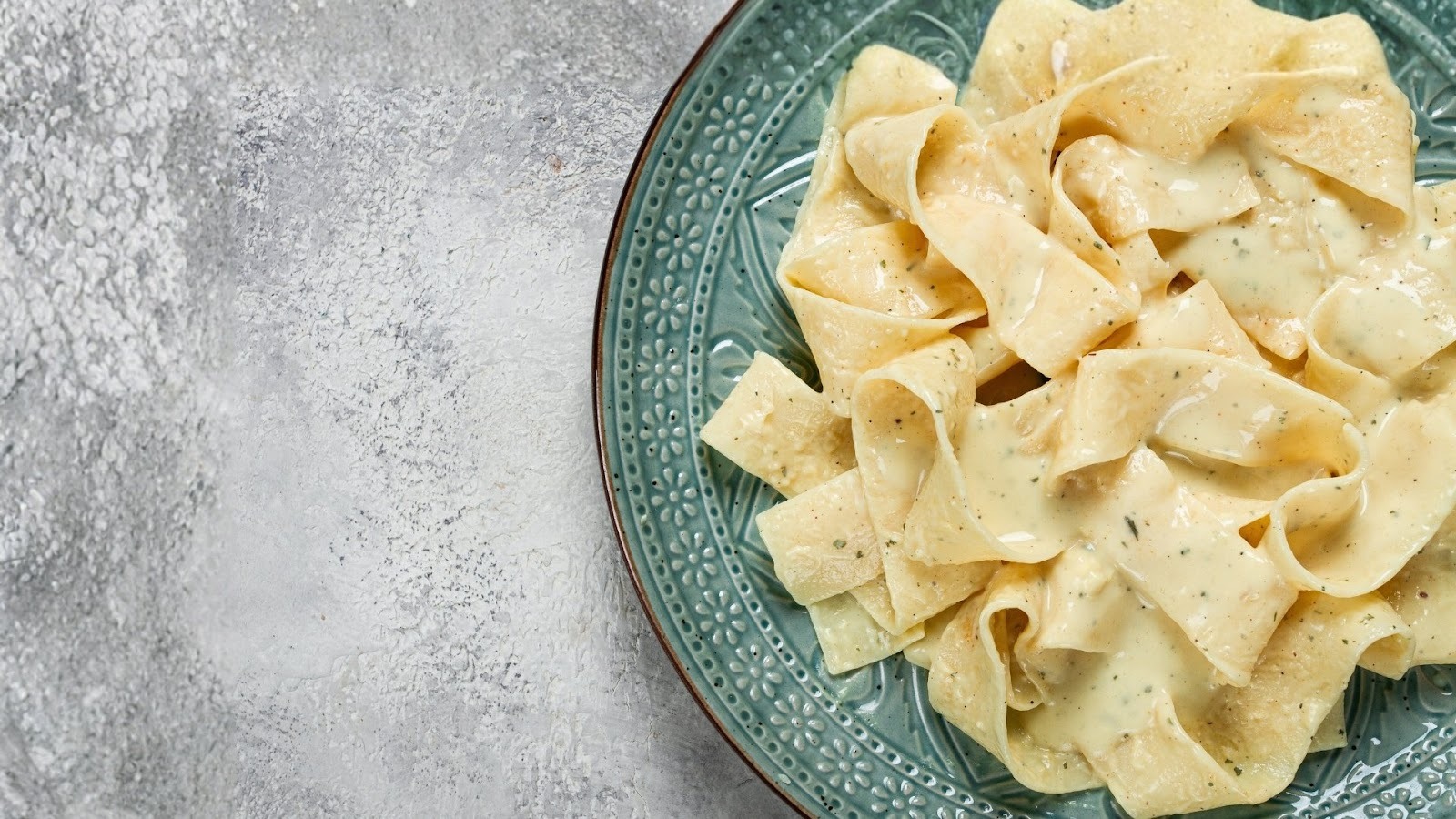
Fresh pasta is treated as a daily practice rather than a feature at Cucina, where an open kitchen produces dozens of rotating recipes rooted in Sardinian tradition. The scale is intentional. With live pasta stations, frequent menu changes, and coastal influences, the focus stays on variety, freshness, and consistency across every service.
Standout Pasta: Lobster Linguine and Quattro Formaggi
Average Spend Per Person: AED 150 to AED 300
Please note: Average pricing reflects a typical main with one additional item and is subject to menu choice, service charge, and taxes.
If changing menus and live kitchens appeal, Flavours and Feasts of Downtown Dubai explores more experiences built on that same energy.
Where Pasta Is Best Paired
Pasta is often ordered in isolation, treated as a complete meal when it rarely is. Without contrast, it can feel heavy or one-note, especially when paired with drinks that overpower rather than support it. What changes the experience is balance: how pasta sits alongside lighter plates, grilled mains, and beverages that refresh rather than compete.
That balance is where DOORS Dubai gets it right. Pasta here is framed by premium meats, seafood, and classic lunch dishes, while a mocktail-led menu keeps flavours clean and the pace controlled. Guided by internationally acclaimed Chef Kemal Çeylan, the table moves with intention rather than excess.
When pasta is paired properly, it doesn’t dominate the meal; it completes it. And when the moment calls for that kind of clarity, the table is already waiting.
FAQs
1. What makes pasta in Dubai different from other global food cities?
Dubai combines Emirati food culture with Italian migration, local manufacturing, and global dining, making pasta both widely available and consistently adapted to diverse tastes.
2. Are certain pasta shapes better suited to Dubai’s dining style?
Yes. Long strands suit lighter or seafood-driven meals, short cuts work well with grills and baked dishes, and filled pastas are treated as mains rather than sides.
3. Is pasta in Dubai usually served as a main course or a shared dish?
Both. Many restaurants design pasta to be shared alongside meats or seafood, especially in multi-course or social dining settings.
4. Does drink pairing matter when ordering pasta?
It does. Mocktails, lighter beverages, or low-acid drinks help balance rich sauces better than heavy or overly sweet options.
5. Where can pasta be paired best with a full, balanced meal in Dubai?
At DOORS Dubai, pasta is supported by premium meats, seafood, classic lunch dishes, and a mocktail-led menu that keeps the meal structured from start to finish.